
Weight Management in Pets: Strategies to Combat Obesity and Promote a Healthy Lifestyle

Understanding the Pet Obesity Epidemic
The rising trend of obesity in pets is not merely a cosmetic issue; it poses significant health risks that can profoundly impact the lives of our beloved companions. Recent statistics from the Association for Pet Obesity Prevention reveal that over 60% of adult cats and 56% of dogs fall into the overweight or obese categories. This epidemic mirrors the growing concern we see in human populations, raising questions about our lifestyle choices and the influence they have on our four-legged friends.
Health Consequences of Obesity
Maintaining a healthy weight is vital for your pet’s overall health and longevity. An excess of body weight can trigger a variety of serious health issues. For instance, animals suffering from obesity are at a significantly higher risk of developing:
- Diabetes: Just like in humans, pets with obesity are more likely to develop insulin resistance, leading to diabetes—a condition that requires daily management and monitoring.
- Joint disorders: Extra weight places a burden on joints, making conditions like arthritis more likely and causing pain or difficulty in movement.
- Heart disease: Obesity strains the heart, leading to cardiovascular problems that can shorten your pet’s lifespan.
- Shortened lifespan: Studies indicate that overweight pets may live up to 2.5 years less than their healthier counterparts.
Effective Weight Management Strategies
Embarking on a journey to combat pet obesity involves a commitment to healthier living. Fortunately, there are several effective strategies that pet owners can adopt. Here are some methods to consider:
- Choosing appropriate diets: Consult your veterinarian to select a balanced diet tailored to your pet’s specific needs. Look for high-quality, nutrient-dense foods with appropriate calorie counts.
- Encouraging regular exercise: Making playtime a part of your daily routine can significantly enhance your pet’s fitness. Whether it’s daily walks, chasing a ball, or engaging in interactive toys, consistency is key.
- Monitoring portion sizes: Understanding the correct portion sizes is crucial. Overfeeding can lead to weight gain, so measuring food can help avoid this common pitfall.
- Engaging in interactive play: Investing in toys that stimulate your pet mentally and physically can increase their activity levels. Puzzle feeders, laser pointers for cats, or tug-of-war toys can keep your pets engaged and moving.
By implementing these lifestyle adjustments, pet owners can make a tangible difference in their furry friends’ lives, helping them achieve a healthier weight and enhancing their quality of life. As we uncover more about pet obesity, we empower ourselves with the knowledge and tools needed to combat this growing concern effectively. Understanding these strategies is the first step towards a healthier, happier future for our pets.
LEARN MORE: Click here for helpful tips on choosing the perfect pet!
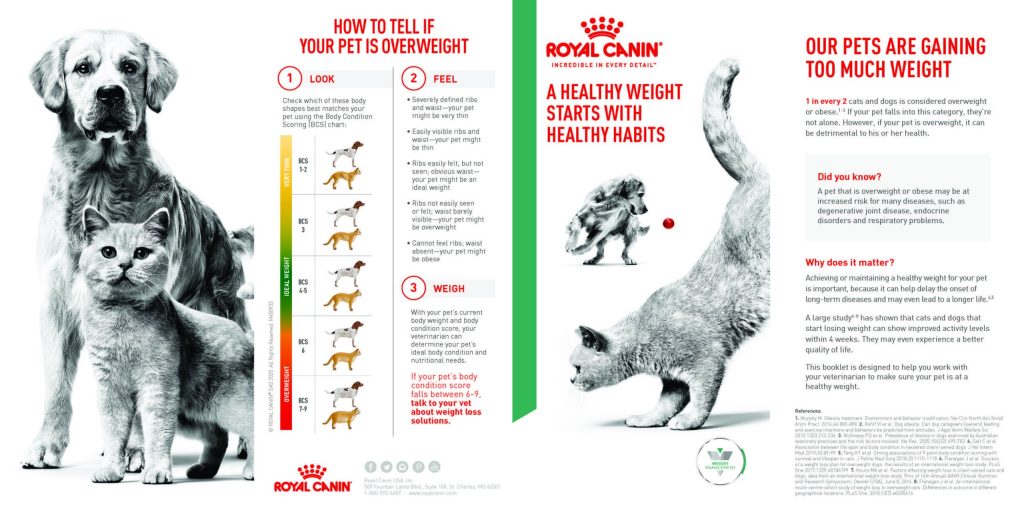
Recognizing the Role of Diet in Weight Management
When it comes to weight management in pets, their diet plays a critical role. Nutrition impacts not only a pet’s weight but also their overall health and energy levels. As caretakers, it’s essential to understand that not all pet foods are created equal. The market is saturated with various brands, each promising the best for our furry friends, but selecting the right one requires informed decision-making.
Understanding Pet Food Labels
Pet food labels might seem straightforward, but they often conceal vital information. The first step in managing your pet’s weight is understanding the nutritional composition of their food. Pay close attention to the following:
- Ingredients list: The first ingredients should be high-quality protein sources, such as chicken or fish. Avoid foods where fillers like corn and soy rank among the top ingredients.
- Caloric content: Many pet owners inadvertently overfeed their pets due to a lack of awareness regarding calorie counts. Look for foods specially formulated for weight management, which typically contain fewer calories while still being nutritious.
- Feeding guidelines: Follow the recommended feeding guidelines provided on the package or as suggested by your veterinarian. These recommendations take into account your pet’s age, weight, and activity level.
Educating yourself about pet food will empower you to make better dietary choices, significantly reducing the risk of obesity and related health issues as your pet ages.
The Importance of Meal Timing
Along with the type of food, meal timing can also influence your pet’s weight. Establishing a regular feeding schedule helps control portions and prevents the practice of leaving food out for free feeding, which can lead to excess calorie consumption. Instead of allowing your pet to graze throughout the day, consider the following strategies:
- Scheduled meals: Feed your pet at designated times, such as twice a day, to regulate their food intake.
- Measurement: Use a measuring cup or a scale to serve the exact portion sizes recommended by your vet, ensuring that your pet gets just the right amount.
- Limit treats: Treats should constitute no more than 10% of your pet’s daily caloric intake. Opt for healthier alternatives like fresh vegetables or specially formulated low-calorie treats.
Being diligent about meal timing and portion control not only aids in weight management but also encourages consistent behavior in pets. It can lead to a more disciplined eating pattern, reducing the likelihood of obesity while promoting a healthier lifestyle.
Incorporating Physical Activity
While diet is pivotal, it is equally important to incorporate physical activity into your pet’s daily routine. Exercise is essential for burning off excess calories and maintaining a healthy weight. Engaging in regular activity not only helps in weight management but also boosts your pet’s mood and strengthens the bond between you both. Consider creating a daily activity schedule that includes various forms of exercise to keep things exciting and engaging.
| Weight Monitoring | Importance |
|---|---|
| Regular Weigh-Ins | Helps track progress and adjust diets accordingly. |
| Body Condition Scoring | Visual assessment to determine if pets are underweight, ideal, or overweight. |
| Nutritional Guidelines | Key Features |
|---|---|
| Balanced Diet | Provides essential nutrients without excess calories. |
| Portion Control | Helps manage calorie intake and prevent obesity. |
| Physical Activity | Benefits |
|---|---|
| Engaging Exercise Routines | Reduces stress and promotes mental stimulation. |
| Interactive Play | Encourages bonding and joyful activity. |
Through these strategies, pet owners can make informed decisions on maintaining their pets’ weight effectively, ensuring their long-term health and happiness.
LEARN MORE: Click here for insights on pet socialization and mental health
Encouraging Engagement Through Interactive Play
Physical activity is not just a matter of routine walks; it can be an exciting way to strengthen your bond with your pet while keeping them fit. Interactive play is an engaging method to incorporate exercise into your pet’s day and crucial for combating obesity. Here are some effective strategies you can adopt:
- Fetch games: Classic games like fetch can be tailored based on your pet’s size and energy level. For dogs, throw a ball or a frisbee; for cats, try using feather wands or laser pointers to stimulate their hunting instincts.
- Obstacle courses: Set up a mini obstacle course in your backyard or living room. Use household items to create tunnels, jumps, or weave poles, encouraging your pet to navigate through the course for a fun and vigorous workout.
- Playdates: Arranging playdates with other pets can provide both socialization and exercise opportunities. Dogs and some active cats are more likely to engage in play when another pet is involved, making it a fantastic way to enhance their physical activity.
Ultimately, the goal is to make exercise enjoyable, which will encourage your pet to stay active and help them shed any excess weight in a fun and engaging way.
Utilizing Technology and Tools
In our tech-savvy world, pet owners can leverage technology and tools to help maintain their pets’ fitness levels. Numerous resources are available, ranging from fitness trackers to mobile apps designed for pet health management. Here are a few technologies to consider:
- Fitness trackers: Wearable devices for pets can monitor their activity levels, providing valuable insights into their daily movement. This data can help you assess whether your pet is getting enough exercise or if they require a more active routine.
- Food dispensers: Automatic food dispensers can help control portions and regulate feeding times. They can be programmed to release food at specific intervals, which helps combat free feeding and encourages your pet’s weight management.
- Mobile apps: Various apps allow you to log your pet’s meals, track their weight, and set fitness goals. By keeping track of their progress, you’re more likely to stay committed to their health journey.
These technological aids can significantly streamline the process of managing your pet’s weight, making it easier for owners to stay on top of their furry companions’ health.
Consulting with a Veterinarian
While owners can take proactive steps, consulting with a veterinarian is a vital aspect of any weight management plan. A vet can assess your pet’s individual health status and recommend tailored strategies for their diet and exercise. They may suggest:
- Nutritional counseling: A veterinarian can help you choose the best food type for your pet’s specific nutritional needs, considering factors such as age, breed, and any pre-existing health conditions.
- Weight-loss programs: Many veterinary clinics offer weight-loss programs that include monitored diets and exercise regimes, providing a structured plan that can help your pet reach and maintain a healthy weight.
- Regular check-ups: Routine vet visits can help track your pet’s progress and adjust their weight management plan as needed, ensuring they remain on the right path to optimal health.
Engaging with veterinary professionals not only ensures accountability but also fosters a well-rounded approach to your pet’s weight management journey, ultimately leading to a healthier and happier life for your furry friend.
DISCOVER MORE: Click here to learn about positive reinforcement in dog training
Conclusion
As pet owners, the responsibility of ensuring our furry companions lead healthy and active lives lies in our hands. Weight management in pets is not just a trend but a pressing necessity borne out of rising obesity rates that can significantly impact pet health and well-being. Implementing strategies to combat obesity, such as promoting regular physical activity and engaging in interactive play, is essential. Understanding the importance of fun and enriching exercise can encourage pets to be more active, transforming weight management into an enjoyable part of their daily routine.
Furthermore, utilizing technology and tools, like fitness trackers and nutritional apps, allows for a more structured approach to monitoring your pet’s health. These resources can help ensure consistent exercise levels and proper dietary management. Coupled with the guidance of a veterinarian, who can offer personalized advice and weight-loss programs, pet owners can foster a comprehensive plan for their pets’ health.
Ultimately, the focus should not only be on weight loss but also on nurturing a healthy lifestyle that enhances your pet’s quality of life. By remaining proactive and incorporating these strategies into your everyday routine, you not only work towards combating obesity, but you also create a joyful life filled with activity, love, and companionship. The journey to a healthier pet is a continual process, but with dedication and support, we can pave the way for our beloved animals to live long, vibrant lives. So, let’s embark on this journey together—after all, a happy pet is a healthy pet!