
Use of Technology in Pet Training: Innovative Apps and Devices
Changing Dynamics in Pet Training
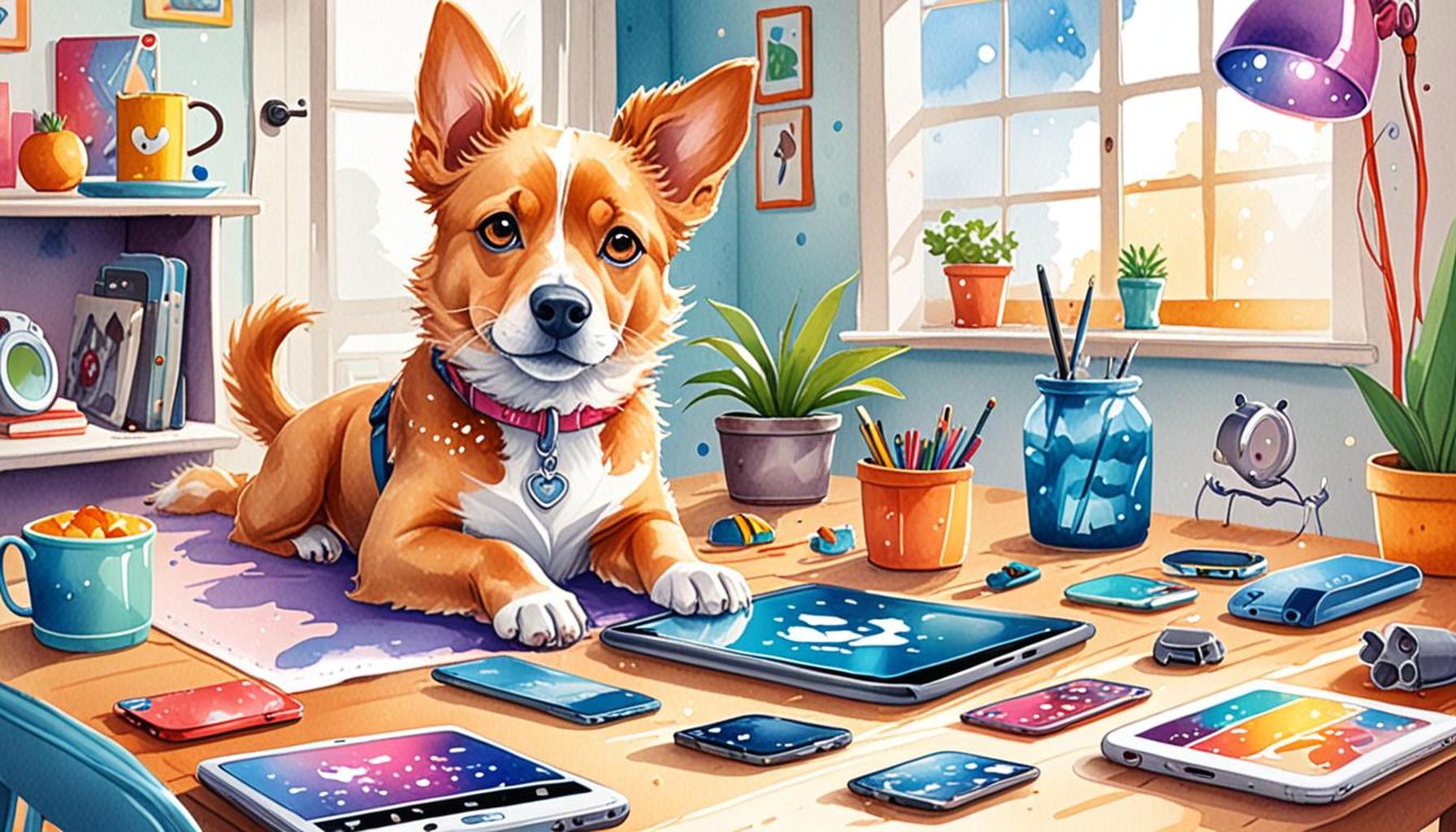
In recent years, the pet care industry has witnessed a remarkable transformation thanks to the rapid advancement of technology. Pet owners now have an arsenal of tools that not only make training more efficient but also more engaging for both pets and their humans. With the right technology, pet training can be a fun and fulfilling experience, fostering a stronger bond between owners and their furry friends.
Interactive Training Apps
Interactive training apps have taken a central role in this evolution. These apps use gamification strategies, which incorporate game-like elements into the training process, to motivate pets and their owners. For instance, apps like “Pupford” and “Dogo” allow dog owners to earn points and rewards for completing training exercises and challenges. Such features not only keep training interesting but also encourage consistency and a sense of achievement. Furthermore, many apps offer customizable training plans tailored to specific breeds and individual temperaments, ensuring that the learning process is precise and effective.
Wearable Devices
The rise of wearable devices has further enhanced the way pet training is approached. Smart collars equipped with GPS and activity tracking capabilities provide owners with real-time insights into their pet’s behavior patterns and activity levels. For example, devices like the “FitBark” allow owners to monitor an animal’s physical activities, sleep, and even anxiety levels throughout the day. This data can inform adjustments to training regimens or highlight potential behavioral issues that can be addressed proactively.
Video Tutorials
Additionally, video tutorials have democratized access to expert advice in pet training. Platforms like YouTube and specialized sites such as “The Online Dog Trainer” offer a wealth of resources ranging from basic obedience commands to advanced training techniques. With step-by-step guides available at just a click, pet owners can learn at their own pace, making it easier to integrate new skills into daily routines. This accessibility empowers owners to tackle training challenges independently while benefiting from professional insights.
Broadening Pet Training Capacities
The incorporation of technology into pet training also caters to varied training needs, such as behavior correction and basic obedience. Whether it’s addressing unwanted behaviors like excessive barking or teaching fundamental commands such as “sit” and “stay,” technology provides tailored techniques suited to individual pet personalities. Moreover, many apps feature forums or discussion boards that connect pet owners, offering a community for support and shared experiences. This sense of connection fosters a supportive atmosphere, encouraging pet owners to seek advice and share successes.
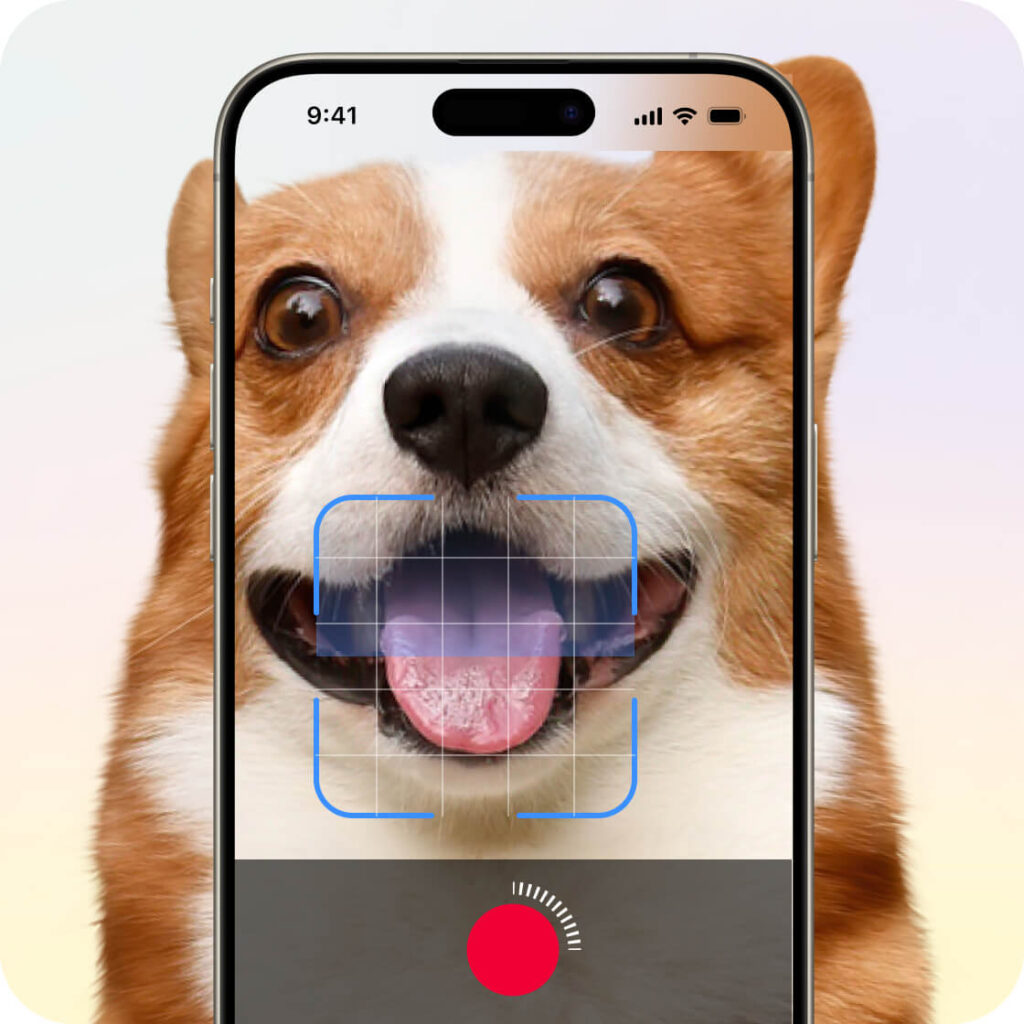
The future of pet training is undeniably intertwined with technological advancements. By embracing these innovative tools, pet owners can create more structured, enjoyable, and effective training experiences for their beloved companions. As we continue to witness the fusion of tech and pet care, the possibilities for enriching the human-animal bond are boundless. Whether through apps, devices, or online resources, the transformation in pet training is paving the way for a brighter future for both pets and their owners.
LEARN MORE: Click here for essential dental care tips for your cat
Empowering Pet Owners with Technology
As technology continues to shape our everyday lives, its application in pet training is a remarkable advancement transforming how owners interact with their pets. With innovative solutions emerging daily, pet training has become more streamlined, interactive, and effective. By leveraging the growing array of digital tools, pet owners can now engage in a better training experience that meets the diverse needs of their furry companions.
Intuitive Training Interfaces
One of the most notable trends in pet training technology comes from intuitive training interfaces provided by various apps. These applications are designed not just to deliver training commands but also to engage users through interactive features. For example, apps like “Barkly Pets” utilize voice commands and instructional videos to demonstrate proper techniques, allowing owners to see the training exercises in action. This method of visual learning can be particularly beneficial for new pet owners who may feel overwhelmed in their training journey.
Community Support and Collaboration
The advancements in pet training technology also foster a sense of community among pet enthusiasts. Many training apps come equipped with community features, enabling users to share tips, celebrate milestones, and even discuss challenges they face in training. This collaborative environment is vital for motivating both pets and their owners to stick with their training plans. Here are some notable benefits of community support in pet training:
- Shared Experiences: Engaging with others who face similar challenges helps users find solutions and encouragement.
- Expert Insights: Many platforms incorporate professional trainers who can provide personalized advice and feedback.
- Resource Sharing: Users can share articles, videos, and best practices, enriching everyone’s understanding of effective pet training.
The Impact of Behavioral Analysis Tools
Another significant development in the realm of pet training involves the use of behavioral analysis tools. These devices can track a pet’s response to training stimuli, allowing owners to understand their pets’ learning curves better. For instance, smart training collars can assess factors such as stress levels and responsiveness during training sessions, providing metrics that inform any required changes in strategy. This data-driven approach allows pet owners to make real-time adjustments that cater specifically to their pet’s learning style.
Promoting Positive Reinforcement
Furthermore, technology is paving the way for a greater emphasis on positive reinforcement methods within pet training. Apps equipped with reward systems encourage desired behaviors by allowing owners to conveniently record progress and reward milestones with virtual treats or points. The positivity fostered through these apps is not only more engaging but also aligns with modern psychological principles of animal training, which emphasize promoting good behavior rather than focusing solely on corrections.
The integration of innovative technologies in pet training marks a shift towards more personalized, data-informed, and community-supported methodologies. By embracing these tools, pet owners can nurture a more productive training experience that strengthens their bond with their animals, making the journey both educational and enjoyable. As we continue to explore this intersection of technology and pet care, the potential for enhanced communication and understanding between humans and their pets grows exponentially.
The integration of technology into pet training is not merely a trend; it represents a significant evolution in the way we understand and interact with our pets. As more pet owners lean towards innovative solutions, various apps and devices have emerged, offering an array of functionalities that can enhance training, improve communication, and promote overall pet wellness. Here are some key advantages to consider:
| Category 1 | Category 2 |
|---|---|
| Mobile Training Apps | Offer interactive training guides and tutorials for various commands |
| Smart Collars | Track pets’ behavior and health patterns to tailor training practices |
| Virtual Training Classes | Connect dog owners with professional trainers via live video sessions |
| Clicker Apps | Utilize sound cues to reinforce commands and behaviors effectively |
These tools exemplify how technology in pet training fosters a deeper bond between owners and their pets while ensuring effective learning experiences. Exploring innovative apps and devices can unlock new potential for understanding your furry companions better and enhancing their training outcomes. Stay tuned as we dive deeper into how these technologies are shaping the future of pet training.
LEARN MORE: Click here for tips on choosing the perfect pet
Integrating Advanced Devices for Enhanced Training
Alongside intuitive apps, the rise of advanced training devices has revolutionized how pet owners approach training sessions. From smart collars to interactive toys, these innovative gadgets have taken pet training beyond traditional techniques, providing a myriad of opportunities for improvement and engagement. As technology becomes more embedded in our lives, these devices represent the frontier of pet training, offering real-time insights and interactive experiences that were previously unimaginable.
Smart Wearables: Monitoring Progress and Behavior
One of the key advancements in pet training technology is the development of smart wearables, such as collars equipped with tracking capabilities. These devices allow pet owners to monitor their pets’ activity levels, sleep patterns, and even behavioral signals in real time. For instance, products like the “FitBark” not only track a pet’s exercise but also compare it with the owner’s fitness goals. By integrating health data, owners can identify patterns or irregularities and adjust their training methods accordingly, ensuring that each session meets their pet’s physical and emotional needs.
Clickers with Smart Technology
Not only are traditional clickers making a comeback, but they are also being enhanced with smart technology. Innovative products like the “ZippyPaws Smart Clicker” incorporate apps that allow pet owners to customize training sessions and set reminders for consistent reinforcement. This digital enhancement ensures that the training process stays organized and effective, with a clear record of commands given and responses received. Such technology aligns with the principles of consistent reinforcement, making it easier for pet owners to maintain a regimented approach to training.
Automated Training Devices
Automated training devices, such as treat-dispensing cameras and interactive toys, are also gaining traction in the pet training landscape. Devices like the “Petcube Play” not only let owners engage with their pets remotely but also provide an opportunity for training while away from home. With features such as laser pointers and treat dispensers, these devices create an interactive training environment that rewards good behavior even in the owner’s absence. This innovative form of training ensures that pets remain mentally stimulated and active while reinforcing the desired behaviors.
Augmented Reality (AR) in Training
Another frontier in pet training is the use of augmented reality (AR). Though still emerging, AR applications like “Pet Trainer AR” offer visually engaging tutorials that can superimpose training guidance in the pet owner’s environment. This augmented perspective transforms the learning process, making it more immersive and visually stimulating. AR can tailor training exercises based on the pet’s immediate surroundings, adapting techniques to the environment for a more holistic training experience.
The integration of advanced devices in pet training signifies not just a technological evolution but a comprehensive shift in how owners engage in this crucial aspect of pet care. With a blend of analytics, gamification, and real-time interaction, modern pet training tools are redefining the boundaries of what is possible, paving the way for a future where strong bonds between pets and owners are nurtured through the power of technology. As these tools continue to evolve, the landscape of pet training will grow richer, offering both pets and owners the opportunity to thrive together.
DISCOVER MORE: Click here to learn about the best diet for your cat
Conclusion: The Future of Pet Training with Technology
The integration of technology in pet training is reshaping the way we connect with and educate our furry companions. Innovative apps and devices, from smart collars to augmented reality tools, are enhancing traditional training methods, making them more accessible and effective. By leveraging real-time data and interactive experiences, pet owners can now track their pets’ progress, customize training approaches, and maintain their engagement even when they’re not physically present. This evolving landscape not only promotes better behavior in pets but also strengthens the bond between animals and their owners.
As we look to the future, the potential for further advancements in technology is vast. The emergence of automated training devices and the growing popularity of gamification in training sessions hint at an exciting era for pet education. Moreover, with a collective emphasis on mental stimulation and emotional health, pet owners can ensure that their furry friends are not only well-trained but also happy and fulfilled.
In conclusion, the role of technology in pet training is much more than a fad; it represents a profound shift in how we perceive and execute pet care. By remaining open to these innovative tools and techniques, we can foster a harmonious coexistence with our pets in this digital age. As tech-savvy pet owners continue to explore the opportunities presented by these advancements, we invite you to dive deeper into this fascinating world, discovering how technology can enhance the joy of pet ownership.