
Training Pets in Urban Environments: Adapting to the Challenges of the City
The Urban Pet Experience
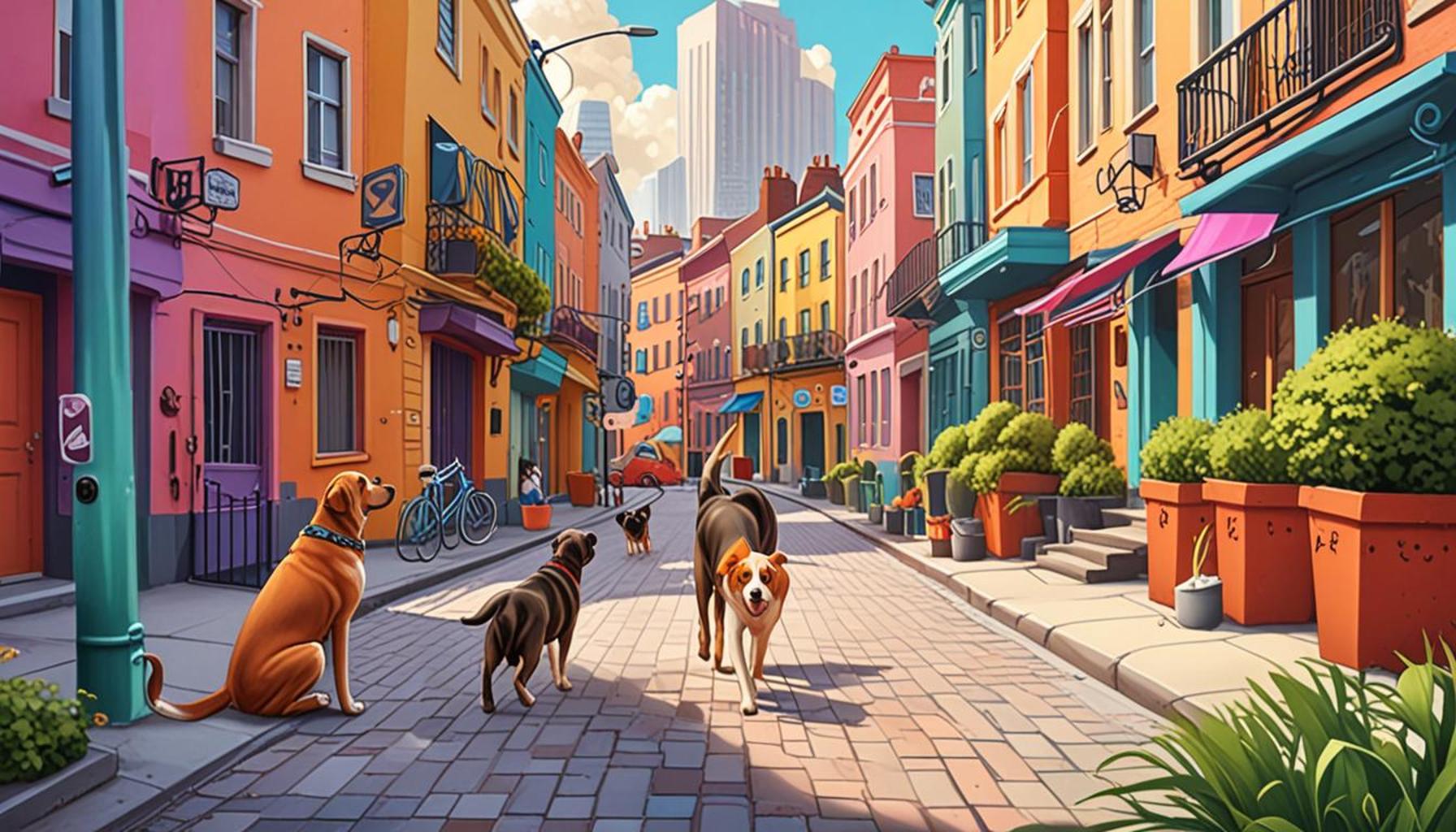
Living amidst the hustle and bustle of city life offers pet owners a unique set of circumstances that can greatly affect their furry companions. Urban environments are characterized by a myriad of sights and sounds, creating an atmosphere that is both stimulating and challenging for pets. For instance, the rapid pace of life often leads to pets becoming easily distracted by pedestrians, the whir of bicycles, or the presence of fellow animals, all of which can divert their focus away from required training or outings.
Moreover, space constraints in city apartments can make it difficult for pet owners to provide sufficient physical activity for their pets. Dogs, for example, often require ample space to run and play; however, many urban dwellers may only have small living areas and limited access to expansive parks. This scarcity of space necessitates inventive solutions for exercise and training routines, such as utilizing local outdoor spots, dog parks, or even indoor training exercises tailored for smaller areas.
Another crucial aspect of urban pet ownership is the prevalence of noise pollution. The constant sounds of traffic, construction, sirens, and crowded public spaces can induce anxiety in pets. This heightened stress can lead to behavioral challenges, underscoring the importance of effective behavioral training. For instance, a dog that is frightened by loud noises may bark excessively or exhibit other signs of distress when exposed to urban sounds.
Essential Training Techniques
To help pets thrive in an urban setting, several training techniques can be instrumental:
- Socialization: It is essential to expose pets to the varied stimuli of city life. Frequent walks in busy areas, visits to pet-friendly cafes, or participation in community dog events can help your pet become accustomed to the sights and sounds that define urban living.
- Impulse Control: Teaching commands such as “sit,” “stay,” and “leave it” can significantly aid in managing your pet’s excitement. This is particularly important when encountering other animals or people on walks, as it helps prevent overwhelming reactions.
- Focus Training: Techniques that enhance your pet’s attention are invaluable. Using high-value treats or toys to reward your pet when they maintain focus amidst distractions can cultivate a more engaged and calm companion. Fostering an ability to concentrate even when there are numerous distractions around can lead to smoother outings.
As urban areas continue to expand and evolve, so too must our approaches to pet training and care. By employing thoughtful strategies tailored to the unique challenges of city living, pet owners can ensure that their companions not only adapt but thrive in their vibrant environments. Over time, these methods can lead to a deeper bond between pets and their owners, enhancing the urban experience for both parties.
In conclusion, while urban living presents specific hurdles for pet owners, embracing innovative training techniques can significantly improve the quality of life for pets in the city. Adapting to these changes can pave the way for a balanced and fulfilling relationship between urban pets and their owners, allowing them to fully enjoy the countless experiences that city life has to offer.
DISCOVER MORE: Click here to learn about the benefits of pet socialization
Understanding Urban Challenges for Pets
The dynamic nature of urban life presents a distinct array of challenges that can impact the well-being and training of pets. With the high population density and constant movement typical of cities, pets are often subjected to a barrage of new experiences that can either enrich their lives or overwhelm them. One significant challenge is the abundance of distractions. As city dwellers stroll through bustling streets filled with intriguing textures, smells, and sounds, pets may become easily sidetracked during their walks. This can complicate training efforts as they struggle to maintain focus on their owner’s commands amidst the vibrant urban tapestry.
Furthermore, the diversity of urban environments often introduces pets to various situations they might not encounter in more rural settings. The presence of public transport, such as buses and subways, offers increased mobility yet can be intimidating for animals not accustomed to such environments. The chirping of street performers, the honking of cars, or the distant sounds of construction can all contribute to a sensory overload for pets. Consequently, it becomes vital for pet owners to recognize the importance of acclimating their furry friends to these aspects of city life.
One fundamental requirement for effective training in urban settings is consistent reinforcement. In an environment filled with distractions, pets must be trained to stay responsive even when tempted by the allure of their surroundings. Implementing a system of rewards for following commands in the face of distractions not only reinforces good behavior but also helps pets develop a level of focus essential for navigating urban challenges.
Strategies to Enhance Urban Training
To empower pet owners in adapting training techniques suitable for urban living, here are several vital strategies to consider:
- Gradual Exposure: Start with less busy environments before gradually introducing pets to more chaotic areas. This allows them to adapt gradually and lessens the chance of overwhelming them.
- Positive Reinforcement: Utilize treats, praise, and toys to reward desired behaviors, especially when your pet successfully manages distractions, encouraging them to make the right choices.
- Short Training Sessions: Keep training sessions brief but frequent. The shorter timeframes allow for focused learning while preventing fatigue, ensuring that pets remain engaged and attentive.
- Interactive Activities: Incorporate games that encourage problem-solving and engagement, such as hide-and-seek or puzzle toys, which can stimulate your pet mentally while teaching them to focus.
Understanding the unique circumstances of urban living is critical for ensuring successful pet training. By consciously applying these strategies, pet owners can help their companions adapt to city life while fostering a sense of security and confidence. Ultimately, these adaptations not only support the dogs and cats in navigating the urban playground but also enhance the bond between pets and their owners, making the urban pet experience more enjoyable for all involved.
| Advantages | Description |
|---|---|
| Environmental Adaptation | Urban training equips pets to handle stressors like noise, crowds, and traffic more effectively. |
| Improved Socialization | Regular exposure to diverse people and situations fosters better behavior and interaction. |
| Safety Awareness | Training teaches pets to recognize and assess hazards in busy urban settings. |
| Exercise Opportunities | Structured environments allow for physical activity through innovative indoor and outdoor training strategies. |
Urban environments present unique challenges for pet owners, including crowded sidewalks, city noise, and limited green spaces. Implementing effective training techniques becomes vital in ensuring that pets not only adapt but thrive. This landscape demands that both owners and trainers employ a tactical approach to overcome obstacles such as distractions from traffic or unfamiliar noises. In cities, where walking is often the primary mode of exercise, pets must be taught to obey commands amidst these chaos. Furthermore, urban pets can benefit from enhanced social skills, leading to more enjoyable interactions. Skills like leash manners, recall in bustling environments, and impulse control are not just desirable but necessary for a harmonious coexistence with other animals and city dwellers. Training in this context not only provides pets with the ability to navigate their surroundings safely, but it also fosters a stronger bond between pets and their owners.
DISCOVER MORE: Click here to learn about positive training techniques
Utilizing Urban Spaces for Effective Training
Urban environments can be cleverly leveraged to create diverse training opportunities for pets. Parks, plazas, and even backyards turn into dynamic classrooms filled with unique learning experiences. The key is to transform what could be distractions into moments for training and enrichment. For example, a busy park with other dogs can serve as an excellent setting for socialization. Engaging pets with structured play and supervised interactions helps them learn essential social cues and improve their behavior when meeting other dogs in the future.
Moreover, incorporating routine visits to varied urban settings not only helps in training but also enriches pets’ lives. Regular exposure to different environments, such as coffee shops with pet-friendly patios, grocery store parking lots, or even outdoor markets, can help them adapt to various human interactions and soundscapes. For instance, training in a bustling environment teaches dogs to maintain focus on their owners, thereby reinforcing their training while also ensuring they remain comfortable with the sounds and sights of the city.
Managing Aggression and Fear Responses
One critical aspect of training in urban areas is addressing aggression and fear responses. Many pets may feel anxious in crowded or noisy environments, leading to fearful or aggressive behaviors. Understanding the triggers associated with these responses is paramount. For example, if your dog exhibits anxiety when confronted with the sound of a loud siren or the presence of bicycles, gradual desensitization can be crucial. Start by exposing them to the sound at a low volume or maintaining distance from the triggers until they feel comfortable, then gradually bring them closer.
Additionally, utilizing calming tools such as anxiety wraps or pheromone diffusers can assist in creating a more relaxed state, making training sessions more effective. The use of these resources can reduce stress levels, allowing pets to engage more naturally in training exercises.
Community Resources and Classes
Urban areas often offer a variety of resources specifically designed to tackle the challenges of pet training in city life. Many local pet stores and animal shelters host training classes tailored for urban scenarios, providing pet owners with strategies to deal with common metropolitan issues. These classes not only facilitate skill development for pets but also foster a sense of community among pet owners. Connecting with fellow pet owners facing similar challenges can provide vital support and exchange of ideas.
In addition, online platforms and social media groups dedicated to pet training resources often feature real-time tips and advice applicable to city living. From recommended trainers familiar with urban challenges to community events for socialization, these online communities can be invaluable for pet owners seeking guidance.
Recognizing the Importance of Mental Stimulation
The fast-paced urban lifestyle can lead to boredom for pets that are not mentally stimulated. Boredom can manifest in negative behaviors, making mental enrichment essential. Incorporate training into everyday activities by utilizing urban obstacles such as benches and stairs to create agility courses, or take frequent breaks during walks for quick training sessions. These elements not only utilize the environment but also build physical and mental resilience.
By employing these methods, pet owners can harness the urban landscape to craft a training routine that not only adapts to the city’s challenges but opens up doors to exciting, enriching experiences for their pets. With thoughtful engagement and resource utilization, city living can become a rewarding experience for pets and their owners alike.
DISCOVER MORE: Click here for insights on balanced diets
Conclusion
Training pets in urban environments presents a distinct set of challenges, yet it also offers unique opportunities for growth and enrichment. By embracing the bustling surroundings of the city, pet owners can create engaging training experiences that not only enhance their animals’ skills but also strengthen the bond between them. Understanding and leveraging the urban landscape, from parks to busy streets, allows for creative training strategies that effectively address distractions, anxiety, and aggression.
Moreover, incorporating a variety of urban settings into training routines not only aids in skill development but also contributes to pets’ overall well-being. Frequent exposure to different environmental stimuli helps dogs and other pets build resilience, while community classes and online resources provide crucial support. Engaging with fellow pet owners fosters a sense of camaraderie and shared learning, enriching the urban pet ownership experience.
As we increasingly navigate the complexities of city living, mental stimulation and adaptive training methods become *imperative* for keeping pets balanced and well-behaved. By making the most of urban spaces and seizing every chance for socialization and mental challenges, pet owners can transform the city into a vibrant playground for their furry companions. Ultimately, with the right approach, *city life* can be not just manageable but truly fulfilling for pets and their owners alike. Therefore, consider exploring innovative training techniques and community resources to ensure that your pet thrives in the urban landscape.