
The Importance of Weight Control in Pets

The Importance of Regular Weight Control for Your Pets
The health and happiness of our pets are closely intertwined with their weight. In recent years, studies have shown that around 56% of dogs and 60% of cats in the United States are classified as overweight or obese. This concerning trend raises questions about our responsibilities as pet owners and highlights the importance of weight control in ensuring our pets live long, healthy lives.
- Common challenges: Many factors contribute to the struggle with weight management in pets. These challenges can include:
- Poor diet choices: Many owners often unknowingly feed their pets food that is high in calories and low in nutritional value. Commercial pet foods may be packed with fillers like corn, soy, and sugars that contribute to excessive weight gain.
- Lack of exercise: Modern lifestyles often limit the amount of physical activity pets receive. Busy schedules can result in fewer walks for dogs and less playtime for cats, both of which are essential for maintaining a healthy weight.
- Genetic factors: Just as in humans, genetics also play a role in a pet’s predisposition to gain weight. Certain breeds are more prone to obesity, making it essential for owners of these breeds to be vigilant about their pet’s diet and exercise routines.
Addressing pet obesity is vital, as it is associated with numerous health problems that can drastically affect quality of life. Some of these health issues include:
- Diabetes: Overweight pets are at a significantly higher risk of developing insulin resistance, leading to diabetes, which requires lifelong management.
- Joint issues: Extra weight places added stress on joints, making issues like arthritis more prevalent, especially in older pets.
- Heart disease: Obesity can strain the heart and lungs, resulting in an increased chance of heart disease, which can lead to severe complications and reduced longevity.
On the flip side, maintaining a healthy weight brings about a multitude of positive effects on your pet’s life. These benefits include:
- Better mobility: Pets that are not burdened by excess weight can move more freely and are more active, contributing to overall physical fitness.
- Improved mood: Just as a healthy lifestyle affects human emotions, pets often exhibit better behavior and energy levels when they are at a healthy weight.
- Greater longevity: A pet with a healthy weight can enjoy a longer, happier life, with studies suggesting that maintaining optimal weight can add years to a pet’s lifespan.
Understanding the significance of weight control in pets is crucial for responsible pet ownership. By being proactive, informed, and engaging with veterinarians for tailored dietary and exercise guidance, pet owners can usher in a lifestyle that promotes health and happiness for their furry friends. This not only enhances their quality of life but ensures that they remain cherished companions for many years to come.
DISCOVER MORE: Click here for essential strategies
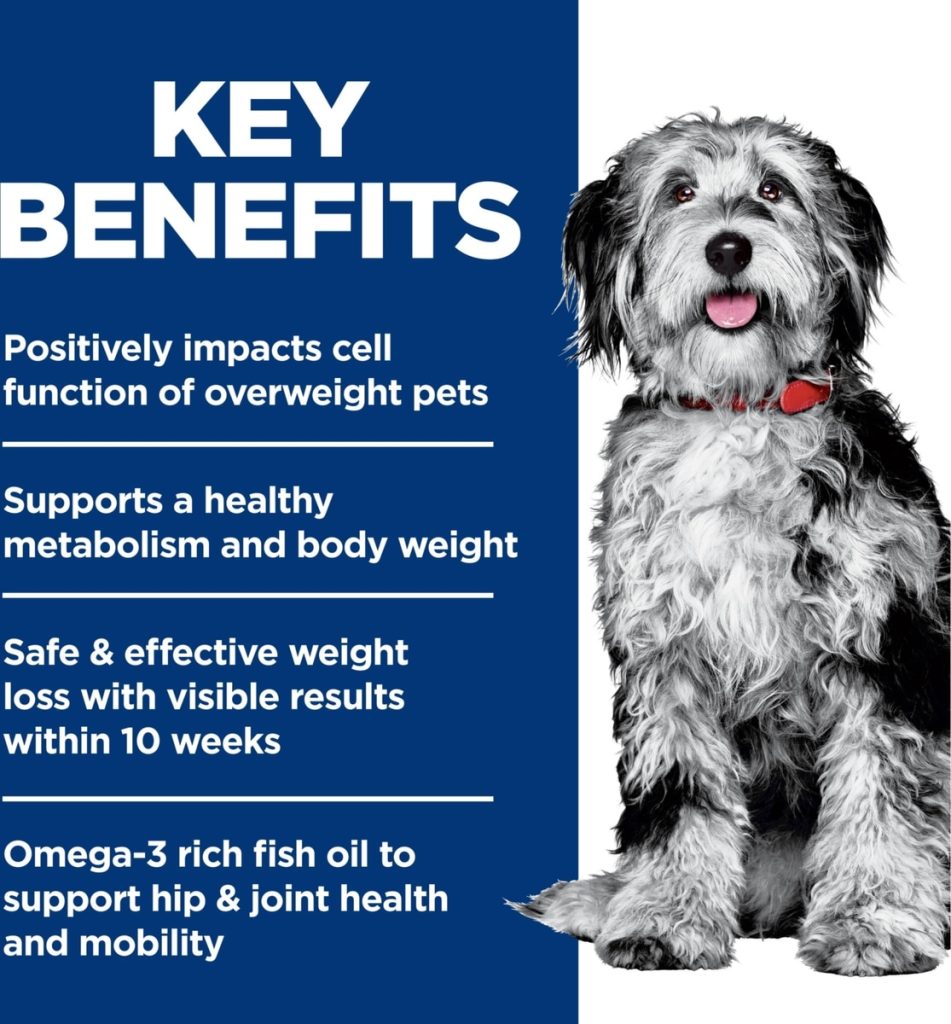
Understanding the Roots of Pet Obesity
Pets, much like humans, face a multitude of challenges when it comes to maintaining a healthy weight. Recognizing these challenges is the first step for pet owners looking to help their furry companions achieve and sustain a healthy weight. As our lifestyles evolve, so do the factors contributing to pet obesity.
One major component is poor diet choices. Many commercial pet foods are marketed as nutritious but can contain high calorie counts due to fillers and artificial additives that offer minimal nutritional value. Ingredients like grain byproducts, excessive fats, and sugars can lead to overeating. It is essential for pet owners to read labels and opt for high-quality, balanced meals tailored to their pet’s specific needs. Naturally formulated, protein-rich diets that avoid unnecessary fillers can greatly benefit weight management efforts.
Lack of physical activity is another considerable hurdle. With many pet owners leading increasingly busy lives, the time allocated for daily walks or play sessions can dwindle. Dogs, especially those from active breeds, require regular exercise to regulate their weight. Cats, on the other hand, often need engaging playtime to spark their natural hunting instincts. Creating a structured schedule for exercise can not only curb obesity but also enhance the bond between pet and owner.
Genetic predisposition plays a significant role in a pet’s tendency to gain weight. Certain breeds are more susceptible to obesity, highlighting the need for breed-specific awareness in weight management strategies. For example, Labrador Retrievers are known to have an insatiable appetite, while Persian cats can become lethargic if not encouraged to be active. Understanding the unique traits of your pet’s breed can empower owners to implement effective lifestyle modifications.
The Consequences of Weight Gain
Ignoring the signs of excess weight in pets can lead to serious health implications that may not only shorten their lifespan but also decrease their quality of life. Obesity can hinder daily activities, exposing pets to a myriad of health issues. Some of the most prevalent conditions associated with pet obesity include:
- Diabetes: Obesity dramatically increases the risk of developing diabetes mellitus, a condition requiring constant management and regular veterinary visits.
- Joint Problems: The added stress from obesity can lead to chronic pain and joint problems such as osteoarthritis, notably in older pets.
- Heart Disease: Excessive weight affects the heart, leading to heart disease, which can result in life-threatening complications.
By addressing these issues early and consistently, pet owners can significantly reduce health risks associated with obesity, thus contributing to a happier, healthier life for their beloved companions. It is imperative to take proactive steps towards weight control, as the benefits are profound and far-reaching.
The Importance of Weight Control in Pets
Maintaining healthy weight control in pets is not only crucial for their physical health but also for their emotional well-being. Obesity in pets leads to a myriad of complications, including joint issues, diabetes, and heart disease. A balanced diet paired with regular exercise is essential for keeping your furry friends fit. Additionally, understanding the particular needs of each breed and age can assist in managing their weight effectively.
Moreover, weight control can significantly enhance a pet’s quality of life. Pets that maintain an ideal weight have more energy and are often more playful, enriching their interactions with owners and their environment. This leads to stronger emotional bonds between pets and their humans, resulting in a happier household.
Furthermore, routine check-ups with a veterinarian are vital for keeping track of your pet’s weight. Professional guidance can lead to personalized weight management plans that are both safe and effective. These plans may incorporate specific dietary changes tailored to your pet’s needs, as well as a structured exercise regimen that can evolve as your pet ages.
| Category | Advantages of Weight Control |
|---|---|
| Health Benefits | Reduces risk of chronic diseases such as diabetes and heart problems. |
| Behavioral Improvement | Promotes higher energy levels, leading to increased playfulness. |
Understanding the significance of weight management can lead not only to a longer lifespan for your pet but also to an enriched, fulfilling companionship. Keeping an open dialogue with your veterinarian while remaining informed about your pet’s nutritional needs will undoubtedly contribute to a healthier and happier life for your furry companions.
LEARN MORE: Click here for effective strategies
Practical Strategies for Effective Weight Management
Once the factors leading to pet obesity have been identified, the next crucial step is implementing practical strategies to effectively manage a pet’s weight. A combination of dietary adjustments, regular physical activity, and behavioral modifications can create a holistic approach for pet owners striving to ensure their furry friends lead longer, healthier lives.
Portion control is a vital part of any weight reduction program. Many pet owners are unaware of the appropriate serving sizes for their pets. A common misconception is that filling the bowl will automatically fulfill a pet’s nutritional requirements. Instead, it’s beneficial to consult a veterinarian for personalized portion guidelines based on the pet’s age, weight, breed, and activity level. Many pet food brands provide feeding guidelines on their packaging, but these recommendations can vary significantly from one brand to another. Adhering strictly to these guidelines while ensuring the use of measuring tools can effectively regulate calorie intake.
Another effective strategy is to incorporate healthy treats wisely into a pet’s diet. While pets thrive on affection and rewards, high-calorie snacks can be counterproductive to their weight management goals. Instead of commercial treats laden with fat and sugar, pet owners can explore healthier options such as carrot sticks, green beans, or even small pieces of fruit—ensuring to check for any potential dietary restrictions. Keeping track of daily treats and substituting them for healthier alternatives opens the door to greater success in maintaining an optimal weight.
Engaging mental stimulation is equally essential in weight control. Incorporating puzzle toys and interactive feeding methods not only encourages pets to engage with their food but also promotes physical activity. For dogs, playing fetch or engaging in training sessions can lead to significant calorie expenditure. For cats, encouraging play with feather wands or laser pointers can stimulate their natural hunting prowess. Responsible pet owners can devise creative ways to make exercise fun, ensuring that it’s not only a necessity but an enjoyable part of a pet’s daily routine.
Regular Health Check-Ups
Another key component of a successful weight-control strategy involves regular veterinary check-ups. Routine appointments allow veterinarians to monitor the pet’s progress, offering critical insights into dietary adjustments or medical interventions if necessary. Weight evaluations during these visits can also serve as motivational checkpoints for pet owners. Furthermore, vets can provide valuable recommendations tailored to the pet’s unique health profile. For instance, they may recommend specific weight management formulas that are lower in calories but high in essential nutrients, helping pets lose weight without sacrificing health.
Furthermore, being vigilant about weight loss expectations is crucial. A gradual decrease in body weight, approximately one to two percent of the body weight per week, is typically deemed safe and sustainable. Sudden weight loss can lead to metabolic imbalances or other health issues. Patience and persistence can ensure long-term success, emphasizing that fostering a healthy weight is a progressive journey rather than a quick fix.
By employing these strategies, pet owners can actively fight against the growing epidemic of pet obesity. As our furry companions provide endless joy and companionship, prioritizing their health through effective weight control can lead to a more fulfilling and active life alongside their humans.
DON’T MISS: Click here to discover the secrets to your dog’s long-term health
Conclusion: Empowering Our Pets Towards Healthier Lives
In conclusion, the importance of weight control in pets cannot be overstated. As the prevalence of pet obesity escalates at an alarming rate, it becomes imperative for pet owners to take proactive measures in managing their furry companions’ health. Embracing effective strategies such as portion control, healthier treat choices, engaging physical activities, and regular veterinary check-ups are essential steps toward achieving and maintaining an optimal weight for pets.
With the understanding that a healthy weight significantly affects a pet’s longevity, energy levels, and overall quality of life, pet owners can create a serious impact on their beloved companions’ health. It is crucial to view weight management not as a temporary fix but as an ongoing commitment to the well-being of our pets. The journey may require patience and persistence, but the rewards—such as happier, more energetic pets and deeper bonds with their human families—are well worth the effort.
Moreover, staying educated and aware of the unique dietary and exercise needs of each pet ensures tailored approaches to weight control. As a community, we must prioritize the health of our pets, fostering a culture of responsible pet ownership that champions their welfare. By taking action today, we can contribute to a future where our pets lead healthier, more fulfilled lives, free from the burdens of obesity.
Ultimately, responsible weight control not only enhances physical health but also enriches the very essence of the human-animal bond, reminding us of the joy and companionship our pets bring into our lives.