
Nutritional Supplements for Pets: When and How to Use Them?

The Importance of Nutritional Supplements in Pet Care
Nutritional supplements for pets have become a hot topic among pet owners and veterinarians alike. With an increasing awareness of pet health, many are exploring the potential benefits of supplements to enhance their animals’ quality of life.
The quest for optimal pet health leads many to consider the essential role of nutritional supplements. Just like humans, pets require a balanced intake of vitamins, minerals, fatty acids, and other vital nutrients to maintain their overall well-being. Vitamin deficiencies or imbalances can lead to a myriad of health issues. Thus, the right supplements can have significant benefits, ranging from improved coat condition to better joint health.
Age and Condition: One of the most critical factors in evaluating the need for supplements is your pet’s age and current health status. For instance, puppies and kittens may require additional calcium and phosphorus for healthy bone growth, while senior pets often benefit from joint support supplements like glucosamine and chondroitin to alleviate arthritis pain.
Dietary Gaps: Another vital consideration is the nutritional adequacy of your pet’s regular diet. If you’re feeding your dog or cat commercial kibble high in grains and low in animal protein, they might miss out on essential amino acids. Supplements such as digestive enzymes or omega-3 fatty acids can help promote healthy skin and a shiny coat, which may otherwise decline if your pet’s diet fails to provide the necessary nutrients.
Health Conditions: Specific health issues often dictate the need for particular supplements. For example, pets suffering from kidney disease may benefit from omega-3 fatty acids, which can help reduce inflammation and support overall kidney function. Conversely, pets with sensitive stomachs could require probiotics to enhance their digestive health.
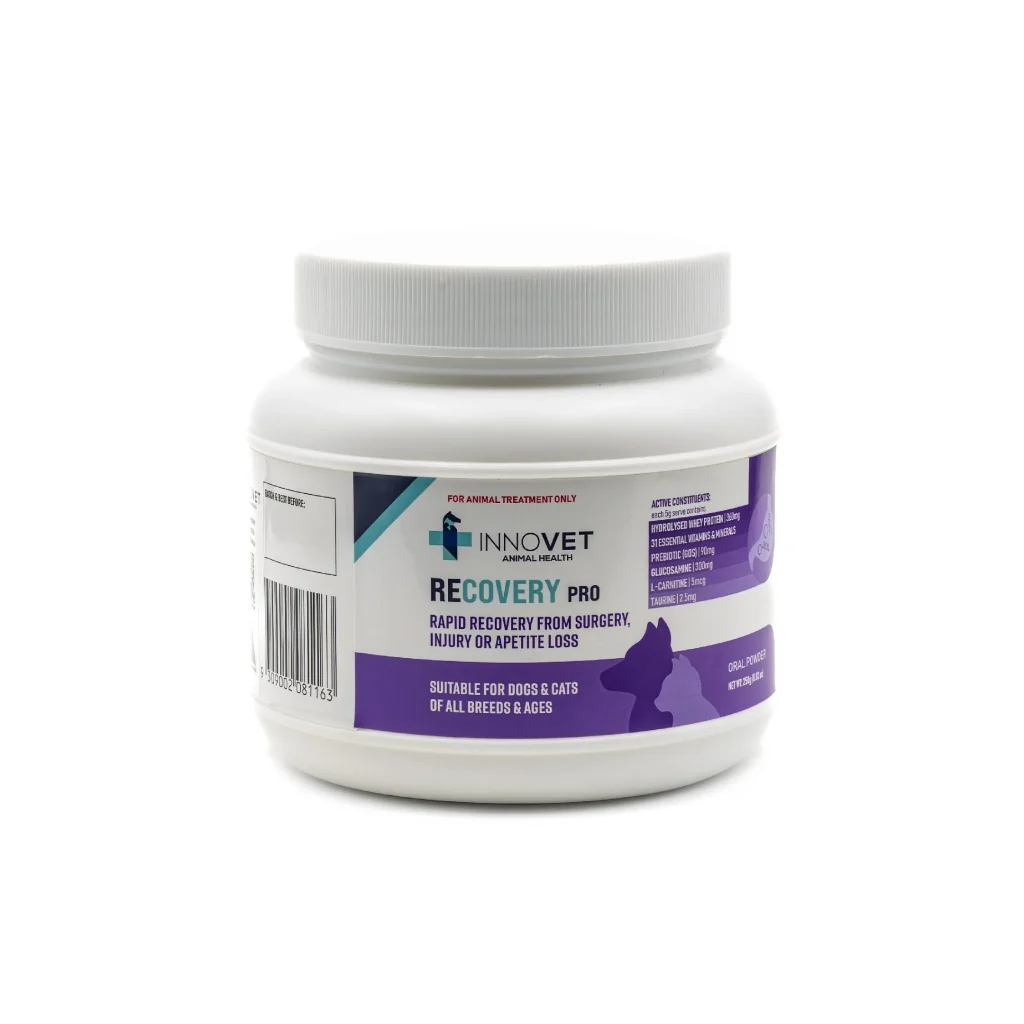
While the market is flooded with supplements—ranging from vitamins and minerals to fatty acids—it’s essential to approach them thoughtfully. Not every product is right for every pet, and incorrect usage can lead to adverse effects. For example, while vitamin D is crucial for overall health, excessive amounts can be toxic and cause serious health problems.
As a responsible pet owner, it is vital to consult with a veterinarian before introducing any new supplements. This ensures that you choose safe and effective options tailored to your pet’s individual needs and health status. Your veterinarian can provide personalized recommendations based on your pet’s specific health concerns, life stage, and dietary needs.
In this article, we will delve into the types of nutritional supplements available, signs that your pet may need them, and the proper methods for administration. Understanding these facets can help you make informed decisions to bolster your pet’s health and longevity.
DISCOVER MORE: Click here to learn about balanced nutrition for your pets
Types of Nutritional Supplements for Pets
When considering nutritional supplements for pets, it’s essential to understand the various types available on the market, each designed to target specific health needs and conditions. With so many options, pet owners can feel overwhelmed. Here, we break down the common categories of supplements and their potential benefits to help you make informed decisions for your furry companions.
1. Vitamins and Minerals
Vitamins and minerals play a fundamental role in maintaining your pet’s health. These supplements can fill dietary gaps in your pet’s nutrition. For instance:
- Vitamin A: Supports vision, immune function, and skin health.
- Vitamin E: Acts as an antioxidant, protecting cells from damage.
- Calcium: Essential for strong bones and teeth, particularly important for growing puppies and kittens.
Using a multivitamin designed specifically for pets can help ensure they receive essential nutrients that may be lacking in their regular diet.
2. Fatty Acids
Omega-3 and omega-6 fatty acids are becoming increasingly popular supplements due to their numerous health benefits. These essential fatty acids, often derived from fish oil or flaxseed oil, have been shown to:
- Improve coat condition and reduce shedding.
- Enhance joint mobility and support healthy cognitive function.
- Reduce inflammation and help with skin allergies.
Pets suffering from skin conditions or joint issues may particularly benefit from these supplements, making them a staple in many households.
3. Probiotics
Probiotics, which contain beneficial bacteria, can significantly enhance your pet’s digestive health. They help maintain a healthy balance of gut flora, especially after antibiotic treatments or dietary changes. Some benefits include:
- Alleviating digestive issues like diarrhea or constipation.
- Boosting immune system function by supporting gut health.
- Promoting overall digestive health and nutrient absorption.
Incorporating probiotics can lead to noticeable improvements in your pet’s energy levels and gastrointestinal comfort.
4. Joint Supplements
Joint health is a significant concern, particularly for older pets or those showing signs of arthritis. Supplements containing glucosamine, chondroitin, and MSM are popular choices for maintaining joint function and alleviating pain. These supplements can:
- Support cartilage health and reduce joint wear.
- Help alleviate the symptoms of arthritis in senior pets.
Using joint supplements can enhance your pet’s mobility and overall quality of life, especially as they age.
Understanding these various types of nutritional supplements and their respective benefits is the first step in determining what may be right for your pet. As you navigate the supplement landscape, it remains crucial to consult with your veterinarian, who can guide you in aligning supplement choices with your pet’s specific health needs. Ultimately, the goal is to bolster your pet’s health and longevity, ensuring they enjoy a vibrant life with you.
Nutritional Supplements for Pets: When to Use Them
Nutritional supplements are an essential tool for pet owners looking to enhance their furry friends’ health and well-being. But when should you consider introducing them into your pet’s diet? Here are a few key scenarios:
- Age-Related Needs: As pets age, they often require additional nutrients to support their joint health, energy levels, and cognitive functions. Senior pets may benefit from glucosamine and omega-3 fatty acids.
- Dietary Deficiencies: If your pet is on a homemade diet or has certain dietary restrictions, supplements can help to fill crucial gaps, ensuring they receive all necessary vitamins and minerals.
- Health Conditions: Pets suffering from specific health conditions, such as allergies or digestive issues, can often find relief through targeted supplements. For example, probiotics can aid in digestive health.
- Increased Activity: Active or working dogs may require additional energy and stamina support, making B vitamins and amino acids highly beneficial.
How to Use Nutritional Supplements
When considering nutritional supplements, it’s vital to ensure you are using them correctly:
- Consult Your Veterinarian: Always discuss with a healthcare professional before introducing new supplements, especially if your pet is on medications.
- Correct Dosage: Follow the recommended dosage on the label or as directed by your veterinarian. Over-supplementation can lead to toxicity.
- Quality Matters: Choose high-quality, veterinarian-approved brands to ensure your pet is receiving safe and effective formulations.
- Monitor Reactions: After introducing a new supplement, keep an eye on your pet for any adverse reactions or improvements in health.
| Category | Benefits |
|---|---|
| Joint Health | Glucosamine helps maintain joint integrity, benefiting aging pets. |
| Skin and Coat | Omega-3 fatty acids promote a shiny coat and reduce itching. |
| Digestive Health | Probiotics support gut health and improve digestion. |
| Overall Vitality | Multivitamins ensure complete nutritional support for active pets. |
LEARN MORE: Click here to discover the role of socialization in your pet’s mental health
How to Choose and Use Nutritional Supplements for Pets
Choosing the right nutritional supplements for pets involves careful consideration of your pet’s individual health needs, lifestyle, and dietary requirements. With a plethora of options available, understanding how to select and implement these supplements can make a significant difference in your pet’s overall well-being.
1. Assessing Nutritional Needs
Before introducing any supplements, it is essential to assess your pet’s current diet and nutritional status. Consider the following steps:
- Consult with Your Veterinarian: A thorough health check-up can help identify any deficiencies or specific health concerns. Your veterinarian can recommend suitable supplements based on blood tests or physical examinations.
- Evaluate Diet: Review your pet’s current food for nutritional adequacy. Some commercial dog or cat foods may not provide all the necessary nutrients, particularly if they are homemade or of low quality. Look for AAFCO (Association of American Feed Control Officials) statements on pet food labels.
- Consider Life Stage: Puppies, kittens, pregnant or nursing pets, and senior animals have distinct dietary needs. Select supplements that cater to their specific life stages to provide the right support.
2. Understanding Dosage and Administration
Administering the correct dosage of nutritional supplements is vital. Too much or too little can lead to adverse effects rather than benefits. Here are some guidelines:
- Follow Packaging Instructions: Supplements typically come with recommended dosage instructions. Adhere to these for optimal results.
- Monitor Response: Once you start supplementation, keep track of any changes in your pet’s health or behavior. Look for improvements or side effects, and notify your vet if you observe any concerning reactions.
- Gradual Introduction: Introduce supplements slowly to avoid gastrointestinal upset. Start with a lower dose and gradually increase it to the recommended amount.
3. Timing and Consistency
When utilizing nutritional supplements, timing can also be a factor. It’s best to establish a routine to ensure consistency, which is crucial for effectiveness. Consider the following:
- Daily Routine: Administer supplements at the same time each day—this aids in establishing a habit for both you and your pet.
- Food Interaction: Some supplements may work better when taken with food, while others may require an empty stomach. Always check labels or consult your vet for optimal intake timings.
- Long-Term Commitment: Nutritional supplements often require ongoing use for best results, especially joint and skin health formulas that can take several weeks to show noticeable benefits.
4. Quality Matters
Not all supplements are created equal. The market is flooded with diverse brands and formulations that vary significantly in quality. Look for these indicators of a reputable product:
- Third-Party Testing: Seek supplements that have been tested by independent facilities for quality and efficacy.
- Transparency: Brands that are transparent about their sourcing, manufacturing processes, and ingredient lists are preferable. Look for products that provide certificates of analysis.
- Veterinarian Approved: Choose brands that are formulated in consultation with veterinary nutritionists or that have endorsements from veterinary professionals.
By considering your pet’s specific needs and the quality of the supplements, you can make informed decisions that contribute positively to their health journey. Remember, the right nutritional supplements, when used correctly, can promote longevity and enhance your pet’s quality of life.
LEARN MORE: Click here for effective strategies
Conclusion
In the evolving landscape of pet care, nutritional supplements for pets play a vital role in addressing specific health needs and enhancing overall wellness. As responsible pet owners, awareness of when and how to utilize these supplements is crucial. Always initiate with a comprehensive consultation with your veterinarian to accurately assess your pet’s individual nutritional requirements.
It’s important to remember that supplements should not replace a balanced diet but rather complement it, filling in gaps where commercial feeds may fall short. Regularly monitor your pet’s response to new supplements, ensuring you make adjustments as necessary based on their overall health and vitality. Establishing a consistent routine can enhance the efficacy of these products, paving the way for noticeable improvements over time.
As the market for pet supplements continues to expand, prioritize quality and transparency when selecting products. Look for trusted brands that undergo third-party testing and are backed by veterinary insights. Thorough research can safeguard your pet’s health and ensure they receive the best possible support.
In conclusion, integrating nutritional supplements into your pet’s lifestyle can lead to significant benefits—strengthening immunity, improving joint health, and supporting digestive function. With proper guidance and a tailored approach, these supplements could be an essential part of your beloved companion’s journey towards a longer and healthier life.