How to Prepare Your Home for the Arrival of an Adopted Pet

Preparing for Your New Best Friend
Welcoming an adopted pet into your home is not just about bringing a new animal into your family—it’s about creating a nurturing environment where both of you can thrive. The early moments after adoption can be daunting for your pet, who may have experienced uncertainty before finding their forever home. Therefore, taking time to prepare is crucial in helping your new companion adjust to their new surroundings.
Pet-Proof Your Space
One of the first steps you should take is to pet-proof your home. This involves inspecting your space for potential dangers. For instance, many common household plants, such as lilies and oleanders, can be toxic to pets. You may want to research items that can pose a threat, like cleaning supplies, medications, and hazardous materials that should be stored securely. Moreover, small objects—like coins, batteries, and rubber bands—can be choking hazards or cause digestive issues. Simplifying your home environment not only safeguards your pet but also allows you to enjoy their company without constant worry.
Designate a Safe Area
Creating a designated safe area for your pet is essential. This space can be a quiet corner or a room where your new friend can retreat to feel secure. Equip this area with a comfortable bed, engaging toys, and a steady supply of water. For dogs, a crate can be a beneficial addition, providing them a cozy den-like atmosphere. Cats might enjoy a perch or hideaway. By establishing this safe zone, you give your pet a sense of ownership and a place to regroup and relax, especially during the initial days of adjustment.
Gather Supplies
Before your pet arrives, ensure you have all the necessary supplies ready. This includes basics like food, feeding bowls, leashes, and grooming tools like brushes or nail clippers. Additionally, consider investing in toys that can cater to their instincts—chew toys for dogs, feathered wands for cats. Beyond just physical necessities, think about their health needs; schedule a vet appointment shortly after their arrival for vaccinations and check-ups, ensuring a healthy start in your home.
Establishing routines early in your pet’s life with you not only aids their adjustment but also helps foster a bond built on trust and security. Simple habits like designated feeding times, daily walks, or play sessions can go a long way in making your new pet feel cherished and at home.
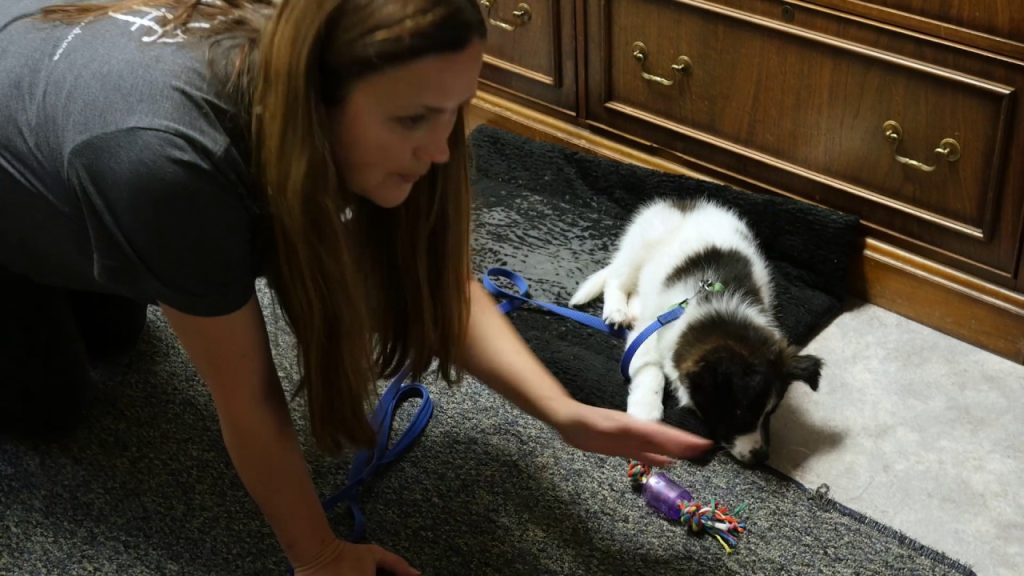
Preparing for your new companion means constructing a warm and inviting atmosphere. As you embark on this rewarding journey, remember that your goal is not just to adopt a pet, but to welcome a new member of your family who will bring boundless joy and loyal companionship into your life.
DISCOVER MORE: Click here to learn about managing chronic diseases in pets
Creating a Welcoming Environment
Before your adopted pet arrives, it’s essential to establish a home that is not only safe but also inviting. This involves evaluating your current living situation and making necessary changes that contribute to a smooth transition for your new furry friend. A warm and welcoming atmosphere allows your pet to feel secure and can significantly reduce anxiety during those first few days in a new environment. An inviting home is key to fostering a long-lasting bond between you and your pet.
Understand Your Pet’s Needs
Every pet is unique and may have specific requirements based on breed, age, and prior experiences. For instance, certain breeds, such as Border Collies or Australian Shepherds, are known for their high energy levels and need for mental stimulation. Conversely, breeds like the Bulldog or Basset Hound may prefer a more relaxed atmosphere. Understanding these factors can better guide your preparations.
When it comes to age, younger pets often need more playtime and structured activity while older pets usually seek a peaceful spot to rest comfortably. Consider the individual personality of your future companion—some pets are confident explorers, eager to investigate every corner of their new home, while others are more timid and may wish to remain close to their human companions initially. Tailoring your living space to accommodate their comfort and preferences will greatly ease their adjustment.
Secure Your Home
Pet-proofing your space isn’t just about ensuring safety; it’s also about crafting an inviting and comfortable living space for your new friend. Here are some practical steps to secure your home effectively:
- Cover Electrical Cords: Use cord protectors or tape to keep curious pets from chewing through these hazards. Many pets have an innate curiosity, and protecting cords is crucial to preventing accidents.
- Install Baby Gates: If you have staircases or specific rooms that need to be off-limits, baby gates can manage your pet’s access. This can be especially important if you have a multi-level home.
- Remove Hazards: Pet-proof your environment by keeping toxic plants, small objects, and hazardous chemicals securely stored away. The ASPCA’s list of pet-toxic plants is an excellent resource for identifying items to keep out of reach.
- Secure Trash Cans: Use bins with locking mechanisms to deter your resourceful pets from scavenging. Garbage can often contain harmful substances; thus, it’s vital to eliminate this temptation.
Get to Know Adoption Resources
As an adoptive pet parent, it’s wise to familiarize yourself with local resources that can support you in your pet-raising journey. This includes animal training classes, veterinarians, pet supply stores, and even social media groups dedicated to pet care and community support. For example, many cities offer community classes where you can learn effective training techniques and socialization skills, which are essential for a harmonious household.
Moreover, numerous shelters and rescue organizations provide after-adoption support, including behavioral training resources and health information. This ongoing support is invaluable as adjusting to a new environment can be challenging for pets. Leveraging these resources not only prepares you for the unexpected but also enriches your experience with your new pet.
Preparing for the arrival of an adopted pet goes beyond just gathering supplies; it’s about understanding their unique needs and creating a nurturing space that fosters connection. By ensuring a seamless transition for your new furry friend, you are laying the foundation for a happy, healthy relationship that can be a source of joy for years to come.
How to Prepare Your Home for the Arrival of an Adopted Pet
Welcoming an adopted pet into your home is a rewarding experience that requires thoughtful preparation. Ensuring a smooth transition for both you and your new companion involves careful consideration of your living environment. Here are essential tips to help you prepare for your furry friend:
Establish a Safe Space
One of the first tasks in preparing your home for an adopted pet is to create a designated safe space. This area should be quiet and free from any hazards. Provide a cozy bed, a few toys, and access to water. This sanctuary allows your new pet to acclimate to their surroundings without feeling overwhelmed.
Remove Hazards
Before bringing your pet home, it’s essential to eliminate potential dangers. This includes securing loose wires, removing toxic plants, and ensuring all cleaning supplies are out of reach. Pets are naturally curious, and safeguarding your home is a crucial step in creating a safe environment.
Gather Necessary Supplies
Having the right supplies ready is vital when adopting a pet. Essential items include food and water bowls, high-quality pet food, a leash, a collar with identification tags, and grooming tools. Consider your pet’s specific needs based on their breed and age to ensure they have everything required for comfort and care.
Plan a Schedule
Establishing a routine can help your new pet acclimate to their new environment. Reasonable feeding, walking, and playtime schedules create a sense of stability and security. Consistency is vital in building trust between you and your adopted pet.
Visit the Veterinarian
Early veterinary visits are crucial for your new pet’s health. Schedule an appointment shortly after bringing them home for vaccinations, a health check-up, and to discuss preventive care. This choice will establish a foundation for responsible pet ownership.
By following these preparation tips, you can create a nurturing environment that helps your adopted pet feel at home from the very first day.
| Category | Advantages |
|---|---|
| Safe Space | Provides comfort and reduces anxiety for your adopted pet. |
| Removing Hazards | Ensures a secure environment free from dangers for your new friend. |
| Gathering Supplies | Equips you with everything needed for your pet’s well-being. |
| Establishing a Routine | Helps build trust and security for your adopted pet. |
| Veterinary Care | Promotes health and ensures necessary vaccinations. |
LEARN MORE: Click here to discover effective socialization techniques for your puppy
Setting Up a Comfortable Living Space
Once you have created a welcoming environment and secured your home, the next step in preparing for your adopted pet involves establishing a comfortable and functional living space. This tailored area will help your pet feel at home and stress-free as they adapt to their new surroundings.
Designate a Safe Space
Your newly adopted pet should have a designated area where they can retreat and relax. This could be a cozy corner in your living room, a quiet spot in your bedroom, or even a dedicated pet bed in a secluded area. Ensure that this space feels safe and secure, away from high traffic zones in the house. A bed, blanket, or crate can provide a comforting sanctuary where they can unwind when overwhelmed.
Gather Essential Supplies
Before your pet arrives, you must gather essential supplies to meet their basic needs. This entails more than just food and water bowls. Think about the following items:
- Food and Water Bowls: Opt for sturdy, non-slip bowls to minimize spills, and consider using an automatic feeder for convenience.
- Quality Pet Food: Consult with your veterinarian about the best diet for your specific pet. Transitioning slowly to a new diet can prevent digestive issues.
- Toys and Chews: Ensure a variety of toys—chew toys, interactive toys, and comfort toys—based on your pet’s preferences and needs.
- Litter Box or Potty Supplies: If adopting a cat, provide a clean litter box with the suitable litter type. For dogs, think about easy access to outdoor space or designated potty pads.
- Grooming Tools: Invest in the necessary grooming supplies based on your pet’s fur type. Regular brushing can promote bonding and reduce shedding.
Establish a Routine
Creating a daily routine for your pet is essential for their comfort and security. Animals thrive on predictability; a structured schedule will help your pet adjust to their new life with you. Consider incorporating:
- Feeding Times: Consistency is key. Establish specific times during the day for meals, which will also help with training.
- Exercise and Play: Allocate time for daily walks, play sessions, or training exercises. Physical activity is crucial for both mental stimulation and health.
- Bathroom Breaks: Keep track of your dog’s potty needs, especially in the beginning. Regular outdoor breaks can mitigate accidents and establish good habits.
- Rest Time: Encourage down-time in their designated safe space, allowing your pet to recharge and enjoy solitude.
Introduce Gradually
When your adopted pet arrives, it’s essential to integrate them into your home gradually. Too much stimulation at once can lead to stress. Allow your pet time to explore one room at a time, letting them adjust to their new environment at their own pace. If you have another pet, consider supervised introductions in a neutral space and gradually allow them to interact as they become more comfortable.
Taking the time to set up a comfortable living space, establish routines, and make gradual introductions will significantly ease your adopted pet’s transition into your home. As you focus on these aspects, you’re not just preparing for their arrival; you’re laying the groundwork for a nurturing relationship that will thrive for years to come.
LEARN MORE: Click here for essential strategies
Conclusion
Preparing your home for the arrival of an adopted pet is much more than just setting up physical spaces and gathering supplies—it’s about creating a nurturing environment that fosters love and trust. By designating a safe space, collecting essential supplies, establishing a routine, and introducing your new companion gradually, you pave the way for a successful transition into your family. These steps not only promote your pet’s well-being but also enhance the bond you will share.
Furthermore, remember that every pet is unique, and their adjustment period may vary. Be patient and attentive to their needs as they explore their new home. Investing time to understand your pet’s behavior and preferences will enable you to tailor your care effectively. Don’t forget to research and provide appropriate enrichment activities within your home to keep them engaged and stimulated. Regular vet check-ups, training, and socialization with other pets can also contribute to their happiness.
Ultimately, welcoming an adopted pet into your home is a rewarding journey that requires dedication and love. The more effort you put into preparing your space and understanding your pet, the more enriched your lives will become. As you nurture your adopted companion, you will find that the joy they bring to your life far outweighs the challenges of adapting together. So take the first step, and dive into the enriching experience of pet parenthood with confidence!