
Dental Care: Keeping Pets’ Teeth Healthy
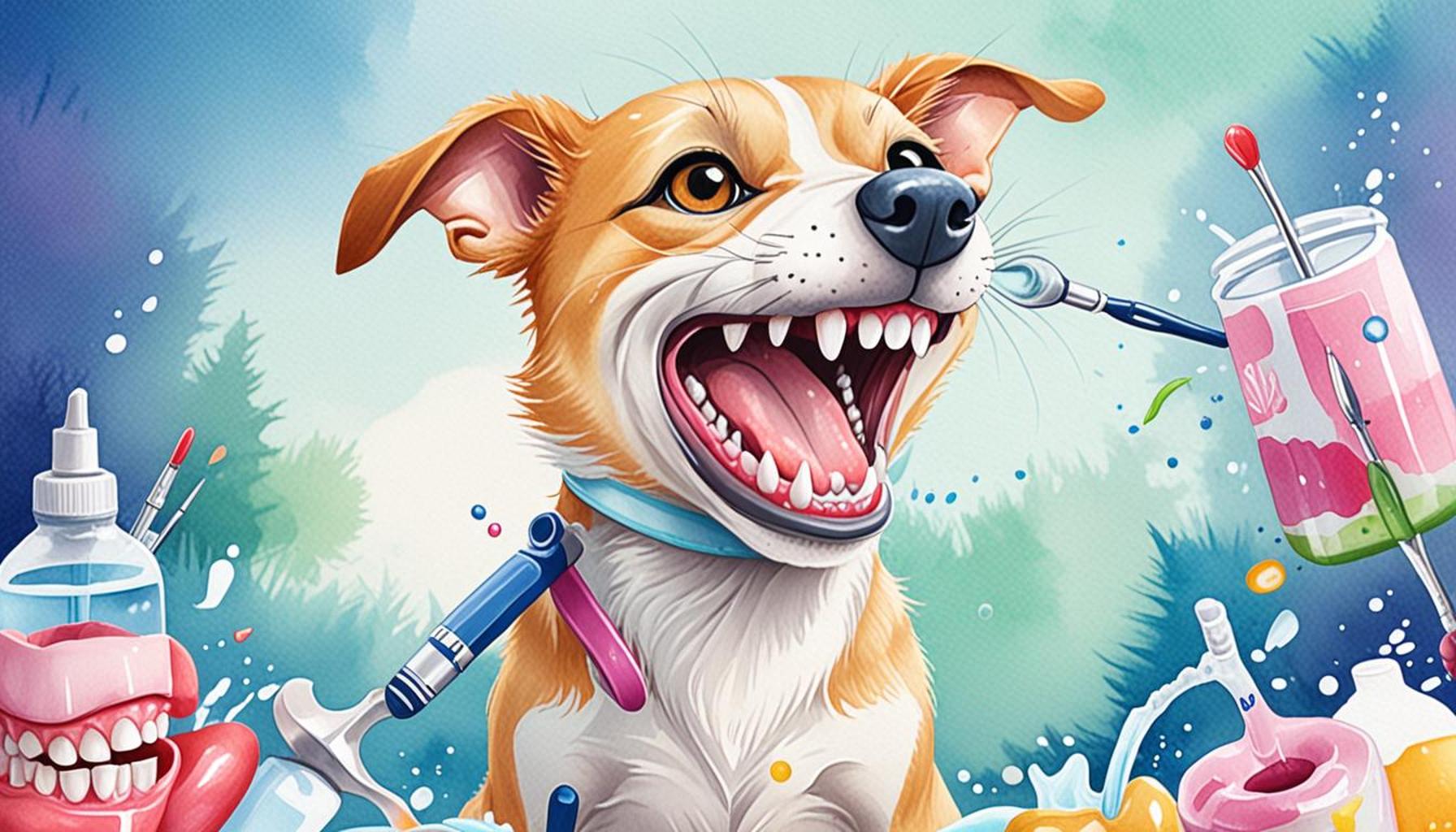
Understanding Pet Dental Care
Maintaining your pet’s dental health is crucial for their overall well-being. Just like humans, pets can suffer from a variety of dental issues that, if left untreated, can lead to serious health concerns. Yet, many pet owners overlook this essential aspect of pet care. The impacts of ignoring dental health go beyond bad breath; it can affect their systemic health and lead to painful consequences.
According to the American Veterinary Medical Association (AVMA), up to 80% of dogs and 70% of cats show signs of dental disease by age three. This alarming statistic underscores the importance of regular dental care. To combat this issue, pet owners should implement a variety of dental health practices, including:
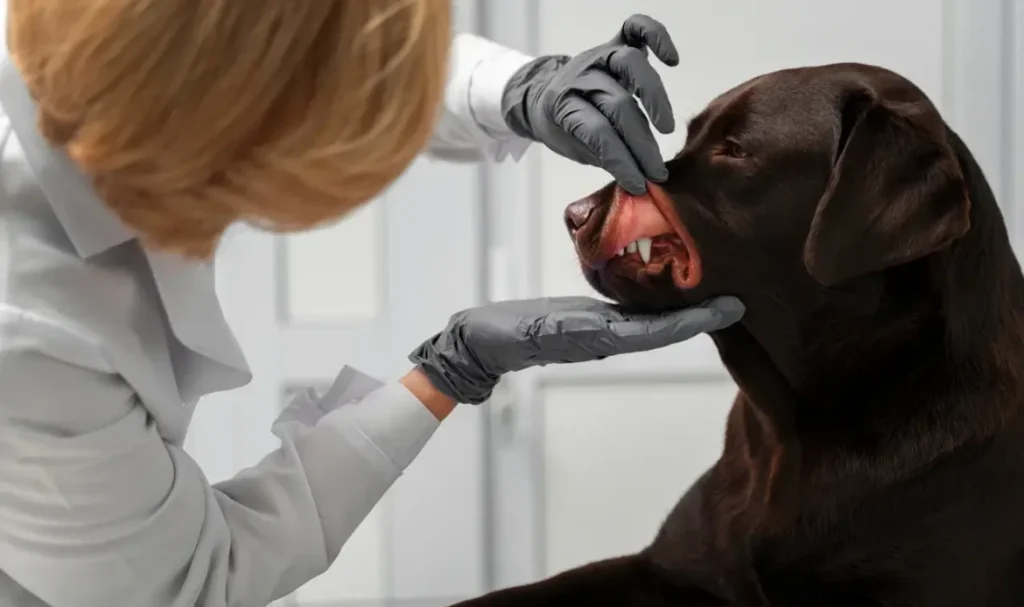
- Routine vet check-ups: Regular veterinary visits are essential for monitoring your pet’s oral health. Vets can perform dental exams, cleanings, and procedures that are crucial in identifying problems before they escalate.
- Daily tooth brushing: Just as daily brushing is vital for humans, the same holds for pets. Using pet-safe toothpaste and toothbrushes, owners can develop a habit that significantly reduces plaque and tartar buildup.
- Dental treats and toys: Chewing on specially designed dental treats or toys can help maintain oral hygiene. These products are crafted to reduce plaque and tartar while keeping your pet entertained.
- Professional cleanings: Periodic professional dental cleanings, usually conducted under anesthesia at a veterinary clinic, are essential for removing stubborn tartar and checking for underlying issues.
Recognizing the importance of pet dental hygiene not only preserves their teeth but also ensures their heart, liver, and kidneys are protected from the effects of bacteria found in the mouth. Oral bacteria can enter the bloodstream and contribute to conditions such as endocarditis, liver disease, or kidney failure. The connection between oral health and overall health is significant and well-documented.
In this article, we will explore effective strategies for keeping pets’ teeth healthy, common dental problems like periodontal disease and gingivitis, and how to implement a successful dental care routine. With the right practice, it’s possible to avoid painful conditions that could affect furry friends. Dental hygiene does require some effort, but the rewards are a happier and healthier companionship. Join us as we dive into the world of pet dental health and discover how simple practices can make a significant difference.
DON’T MISS: Click here for essential dental care tips for your cat
Essential Practices for Optimal Pet Dental Health
When it comes to keeping pets’ teeth healthy, education and prevention are paramount. The mouth is a gateway to overall health, and the importance of a robust dental care regimen cannot be overstated. By understanding common dental problems and implementing effective strategies, pet owners can significantly improve their furry friends’ quality of life.
One critical issue that pets face is periodontal disease, which starts as gingivitis—a mild inflammation of the gums—before progressing to a more serious condition. According to the American Veterinary Dental College, this disease affects the tissues that hold the teeth in place and can lead to tooth loss if left untreated. Neglecting dental care can result in bacteria entering the bloodstream, increasing the risk of systemic diseases such as heart disease, kidney problems, and even diabetes. Thus, being proactive in dental health is essential.
To equip pet owners with the necessary tools for maintaining dental hygiene, here are several practical steps to consider:
- Start Early: Introducing dental care when pets are young can make brushing and routine check-ups easier as they mature. Early exposure helps them adapt and become comfortable with dental hygiene practices.
- Choose Appropriate Tools: Utilize toothbrushes and toothpaste specifically designed for pets. Human dental products can be harmful, as they often contain xylitol or fluoride. Select products that are both safe and appealing to your pet.
- Monitor Feeding Habits: Diet plays a major role in dental health. Dry kibble is better for maintaining oral hygiene than wet food. Consider adding dental-specific food formulations that are designed to reduce plaque and tartar buildup.
- Regular Veterinary Visits: Establish a routine health check with a veterinarian at least once a year. This allows for professional dental cleanings and early detection of potential issues such as tooth mobility or gum disease.
- Know the Warning Signs: Be vigilant about symptoms like bad breath, swollen gums, or difficulty chewing. These could indicate underlying dental problems that need prompt attention.
Incorporating these steps into your pet care routine can vastly improve their dental health and prevent serious complications down the line. Besides these practices, pet owners should remain aware of their pet’s behavior and any changes in their eating or drinking habits, as they might indicate dental discomfort.
Besides preventive care, addressing and educating oneself about common dental ailments in pets is equally vital. Familiarity with conditions such as fractured teeth, oral tumors, or oral infections will prepare owners to take informed action. With the right knowledge and vigilance, many of these issues can be caught early, leading to more successful treatment outcomes.
In conclusion, keeping pets’ teeth healthy is an attainable goal that requires commitment and awareness. By prioritizing dental care, pet owners contribute not just to their pets’ oral health, but to their overall happiness and longevity. With simple, effective strategies at hand, every pet can enjoy the benefits of a clean mouth and the joy of a healthy life.
| Advantage | Details |
|---|---|
| Preventing Oral Diseases | Regular dental care helps prevent issues such as gingivitis and periodontitis, which can lead to serious health complications. |
| Enhancing Overall Health | Healthy teeth and gums can lead to better digestion and nutritional absorption, contributing to the pet’s overall vitality. |
Maintaining proper dental hygiene for pets is just as crucial as their physical health. Routine care can significantly reduce the risk of developing chronic diseases, which often stem from poor oral health. One of the primary advantages of engaging in regular dental care is its role in preventing oral diseases. Conditions such as gingivitis and periodontitis not only cause pain for pets but can also lead to severe health complications, including heart and kidney issues if left untreated. Additionally, enhancing overall health through dental care is pivotal. Healthy teeth and gums enable better digestion and nutritional absorption. Without the burden of painful dental conditions, pets can enjoy their meals fully, leading to higher energy levels and improved well-being. Investing in your pet’s dental care is an investment in their health. It’s an ongoing commitment that yields significant rewards, including a happier and healthier companion. Regular veterinary check-ups, along with at-home dental practices, can solidify your pet’s dental health effectively. By prioritizing tooth care, pet owners can ensure a longer, more vibrant life for their furry friends.
DON’T MISS: Click here for the complete guide on preparing your home for an adopted pet
The Role of Professional Care and Treatment Options
While at-home dental care measures are incredibly important for maintaining your pet’s oral health, professional dental care is equally essential. Pet owners may wonder how often their furry companions should receive a professional cleaning. The American Animal Hospital Association suggests annual dental cleanings for pets, but the frequency may vary based on individual needs and risks associated with specific breeds. For example, smaller breeds often have denser crowding in their mouths, making them more prone to dental issues and likely requiring more frequent visits.
During veterinary dental check-ups, professionals can conduct thorough examinations that are beyond the scope of regular home care. They have access to high-quality diagnostic tools such as digital x-rays that reveal hidden issues below the gum line. Dental x-rays can uncover problems like tooth root abscesses or bone loss that are not visible during routine inspections, allowing for a proactive approach to treating your pet’s dental health.
In cases where serious problems are identified, several treatment options are available. Scaling and polishing remove plaque and tartar buildup, restoring teeth to their healthy state. In more severe cases, extraction may be necessary to relieve pain and prevent further complications. For pets due for oral surgery or tooth extractions, general anesthesia is used by veterinarians to ensure the procedure is safe and comfortable.
As pets age, their dental health may decline, so being attuned to their evolving needs is crucial. Older pets may develop conditions like oral tumors or increased incidence of dental disease, making veterinary visits even more imperative. Pet owners must take the time to educate themselves about potential issues faced by senior pets, such as a change in chewing patterns or reluctance to play with toys.
Understanding the Financial Aspect of Pet Dental Care
Despite the importance of proper dental care, many pet owners remain unaware of the potential costs involved. Unfortunately, many pets suffer from dental disease due to procrastination or a lack of awareness about the expenses linked to dental care. According to the American Pet Products Association, pet owners spend an average of $200 to $300 per year on dental cleanings, but costs can vary based on location and the specific needs of the pet.
Pet insurance plans are becoming increasingly popular and often offer coverage for dental procedures, but it is essential for owners to carefully review their policies. Some plans may have exclusions for pre-existing conditions or certain procedures, leaving owners to foot a hefty bill in case of dental emergencies. Understanding these finances can help pet owners develop a realistic budget that includes both routine care and unexpected dental issues.
Ultimately, investing in your pet’s dental health can yield significant long-term benefits: healthier gums, fresher breath, and a happier, more active pet. By balancing home care practices with regular veterinary appointments, pet owners can ensure their furry friends enjoy a lifetime of robust oral health. Additionally, sharing experiences and insights from other pet owners on platforms and forums can be beneficial, providing a community of support and advice for navigating the complexities of pet dental care.
DISCOVER MORE: Click here for insights on positive training techniques
Conclusion
In conclusion, dental care is an integral part of ensuring your pet’s overall health and well-being. Just like humans, pets require consistent attention to their oral hygiene to prevent painful ailments such as dental disease, which can lead to serious health complications if left unaddressed. By incorporating simple at-home practices like regular brushing, dental treats, and providing chew toys, pet owners can significantly reduce the buildup of plaque and tartar. However, these home care efforts must be complemented with professional veterinary dental care, which is critical for identifying hidden issues and addressing them adequately.
Understanding the necessity and financial aspects of dental care promotes a proactive attitude toward your pet’s health. As emphasized, regular veterinary cleanings—typically once a year—are essential, especially for breeds predisposed to dental issues. By budgeting appropriately for routine dental visits and possible unexpected treatments, you can foster a more comprehensive plan for your pet’s health.
Ultimately, prioritizing your pet’s oral care is not only an investment in their dental health but also a pathway to a longer, happier, and more vibrant life. Engaging with fellow pet owners for shared experiences and communal knowledge can be an invaluable resource on this journey. By actively participating in maintaining your pet’s dental health, you ensure that they enjoy a lifetime of improved quality of life and vitality. Start today—your furry friend will thank you with every wag of their tail and affectionate lick!