
Preparing Your Home to Welcome an Adopted Pet: The Complete Guide
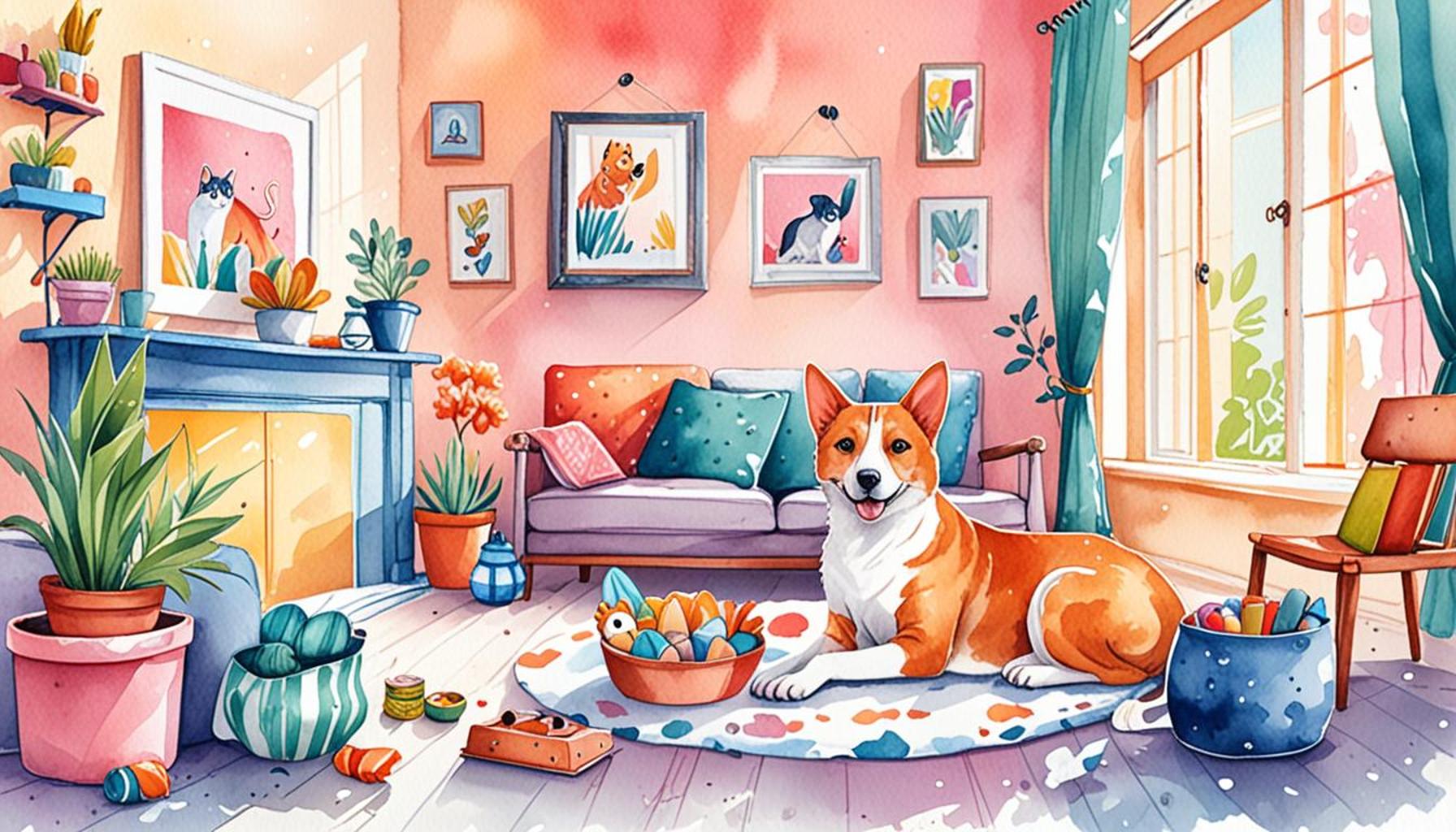
Preparing for Your New Furry Family Member
Bringing a pet into your home is a thrilling experience, filled with the promise of companionship, love, and joy. However, this journey requires not just excitement but also careful planning. A well-prepared environment can significantly ease the transition for your new furry friend, ensuring that they feel safe, comfortable, and welcome in their new surroundings. Whether you are adopting a loyal dog, an inquisitive cat, or any other beloved animal, investing time in proper preparations is crucial.
Here are some key aspects to consider:
- Safety: Pets are natural explorers, so it’s essential to make your home safe for them. Start by removing hazardous items that could pose a risk, such as exposed electrical cords, small objects that can be swallowed, and hazardous cleaning supplies. Additionally, many houseplants, like lilies and poinsettias, can be toxic to pets. Research common household plants to ensure your home is free from potential toxins. This proactive approach will help prevent accidents and create an environment where your pet can explore without fear.
- Comfort: Just as humans need a cozy retreat, pets also benefit from having their own space. Consider designating a specific area in your home as a pet sanctuary, complete with a soft bed, blankets, and comforting toys. This space should be away from high-traffic areas to provide your new companion with a quiet spot to relax after a stimulating day of exploring. Understand that many pets, especially those from shelters, may need time to adjust to their new environment, so patience is key in helping them feel comfortable.
- Supplies: Ensure you have all essential supplies ready before your pet arrives, which will not only make the transition smoother but also show your commitment. Basic supplies include food and water dishes, a suitable food tailored to your pet’s age and breed, waste disposal bags, a collar, and a leash if you are adopting a dog. Interactive toys and scratching posts for cats can help in keeping them engaged and entertained, reducing stress and boredom. Make a checklist of necessary items to avoid last-minute scrambles once your pet arrives.
Understanding your pet’s individual needs and behaviors is paramount for creating a welcoming atmosphere. For instance, different breeds of dogs have varied exercise requirements; high-energy breeds like Border Collies need ample physical activity, while smaller breeds might be more content with short walks. Similarly, cats often appreciate the option of vertical spaces, such as cat trees, where they can perch and observe their surroundings.
As you embark on this heartwarming adventure, remember that your efforts will contribute to a lifetime of happiness, trust, and companionship. The time you invest in preparing your home will not only make your adopted pet feel safe but will also deepen the bond you share. By taking these initial steps, you set the stage for a fulfilling and joyous relationship with your new furry family member. Dive into this guide to uncover practical tips and insights that will help you successfully integrate your new companion into your life. Each moment spent in preparation is a step toward creating a loving home where both you and your pet can thrive together.
EXPLORE MORE: Click here to learn about the benefits of positive reinforcement in dog training

Creating a Pet-Friendly Environment
As you prepare to welcome your new pet, it’s essential to transform your living space into a safe and inviting home. This transition can be a pivotal moment for both you and your adopted pet, setting the tone for a long-term, loving relationship. The right preparations go beyond comfort; they directly affect your pet’s well-being and happiness. Let’s delve deeper into several important aspects to consider during this crucial phase.
Establishing Boundaries
Before your new pet arrives, consider establishing boundaries within your home. This can help ease your pet into their new environment, fostering security and understanding. Start by deciding which areas of your home will be off-limits to your pet. For instance, if you have a specific room that contains precious items or breakables, it may be best to restrict access until they become familiar with your home. Baby gates can be an effective solution, especially for dogs, as they provide a clear distinction between pet-approved areas and no-go zones.
Cleaning and De-Cluttering
Next, assess your home for potential hazards and take time to clear clutter. Not only does this approach contribute to safety, but a tidy environment can also ease the stress that comes with new changes. Addressing these areas is crucial:
- Electrical wires: Use cord covers or cable organizers to keep cords out of reach.
- Small objects: Ensure that items like coins, batteries, and small toys are put away, as they can pose choking hazards to curious pets.
- Furnishings: Protect furniture from scratches and damage by considering pet-friendly covers or opting for more durable materials.
By maintaining a clean and organized space, you not only create a successful environment for your new pet but also reduce potential stress factors that could trigger anxiety during their adjustment period.
Identifying Safe Zones
Designate specific safe zones where your pet can retreat if they feel overwhelmed. Many adopted pets, especially those coming from shelters, may feel unsure in a new setting. These zones should include cozy beds or mats that exude comfort. Think about adding calming elements like soft toys or familiar blankets that can help your pet feel more at ease in their new place. These items can serve as reassuring anchors, reminding them that they are loved and cared for.
Ultimately, the goal of these preparations is to ensure that your home becomes a haven for your new pet. By establishing boundaries, decluttering, and creating safe zones, you enhance the likelihood of a smooth transition. Each small step contributes to building a strong foundation of trust and companionship, setting the stage for countless joyful moments in the years to come. Stay tuned for more insights in this complete guide as we explore enriching your pet’s life through companionship and routine.
Preparing Your Home to Welcome an Adopted Pet: The Complete Guide
Welcoming an adopted pet into your home is an exciting journey filled with joyful moments and new responsibilities. As you dive into this experience, it’s crucial to prepare your living space to ensure it’s a safe and inviting environment for your new furry friend.
Understanding Your Pet’s Needs
Before bringing your pet home, it’s important to understand their specific needs based on their age, breed, and temperament. Researching common pet characteristics will help you anticipate potential behaviors and prepare your home accordingly.
Creating a Safe Environment
A safe home is essential for any adopted pet. Remove hazardous items such as cleaning supplies, toxic plants, and choking hazards. Create a designated pet area where your new companion can feel secure and comfortable. Providing a cozy bed, toys, and food bowls will help your pet adjust quickly to their new surroundings.
Setting Up Systems for Training
Establishing a consistent routine from day one is important for effective training. Consider crate training methods and ensure you have the necessary supplies on hand. Having designated areas for meals and bathroom breaks can help with the adjustment process.
Socialization and Integration
Introduce your adopted pet gradually to different areas of your home and the family members. This slow integration will minimize anxiety and allow your pet to acclimate to their new setting. Be patient and give them time to explore at their own pace.
| Category | Advantages |
|---|---|
| Safety Preparations | Ensures a secure living space, minimizing risks for both the pet and family members. |
| Behavioral Understanding | Improves training outcomes through tailored preparations, fostering a positive relationship with the adopted pet. |
Each effort in preparing your home makes a significant difference in your adopted pet’s transition. By focusing on these aspects, you not only help them adjust but also create a loving and harmonious environment that caters to their needs.
Resources and Support
Never hesitate to seek further information or assistance. Local shelters, veterinarians, and pet trainers can provide valuable guidance tailored to your specific situation. Embrace this new adventure with enthusiasm and commitment, and watch the bond with your new pet flourish!
LEARN MORE: Click here to discover the benefits of dog socialization
Incorporating Essential Supplies
Equipping your home with the right pet supplies is paramount to ensuring a seamless transition for your new furry friend. From food and water dishes to grooming essentials, the supplies you provide lay the groundwork for their health and happiness. Here’s a closer look at the necessary items you should stock up on before your adopted pet arrives.
Feeding Essentials
Your new pet will need a dedicated space for meals, which includes the purchase of quality food and water dishes. Opt for non-slip bowls to prevent spills and choose sizes that are appropriate for your pet’s breed and age. When selecting pet food, always consult your vet to ensure that it meets the nutritional needs specific to your pet’s age, size, and health status. If you adopt a dog, you might also consider a raised food bowl to promote better digestion.
Comfort and Shelter
Creating a cozy atmosphere for your pet goes beyond basic necessities. Invest in a comfortable bed that matches your pet’s size; it should be placed in a designated safe zone. Additionally, consider different types of bedding that offer warmth and security. Cats, in particular, might enjoy options like covered beds or hammocks. Bonnets and blankets, when included, can significantly enhance your pet’s sense of comfort and belonging within your home.
Safety and Health Gear
Safety should always be a priority. Invest in a reliable collar and leash if you have adopted a dog, ensuring that they fit securely but comfortably. Microchipping is another essential step that can aid in the recovery of your pet should they accidentally wander off. For cats, be sure to have *scratching posts* to provide an outlet for instinctual behaviors and prevent damage to your furniture. Regular veterinary care is an integral part of pet ownership, so set up a schedule for vaccinations and routine check-ups to keep your new friend healthy.
Interactive Fun
Incorporating toys into your home is not just beneficial for fun; it also plays a significant role in your pet’s mental stimulation. Consider a variety of toys that cater to your pet’s species and personality. For dogs, chew toys, fetch balls, and puzzle toys can brighten their day and provide necessary exercise. For cats, interactive feather wands and laser pointers can keep them engaged and active. Providing these elements enhances not just playtime but also helps to keep unwanted behaviors at bay that often result from boredom.
Setting Up a Routine
Adopted pets thrive on structure. Establishing a pet care routine that includes feeding schedules, playtimes, and training sessions can help your new friend adapt quickly to their new environment. Consistency is key; it fosters a sense of reliability and trust between you and your pet. Use positive reinforcement during training to reinforce good behavior and strengthen your bond.
By incorporating essential supplies, you are not only enriching your pet’s living conditions but also enhancing the overall dynamics within your home. The right preparation reflects your commitment to your new companion, ensuring they feel secure and loved as they settle into their forever home. In the upcoming sections of this guide, we will address training techniques and bonding activities that can further enrich your adopted pet’s experience.
DISCOVER MORE: Click here for insights
Conclusion: Creating a Loving Environment for Your Adopted Pet
Welcoming an adopted pet into your home is a profound commitment that brings immense joy and fulfillment. By thoroughly preparing your living space, you are setting the stage for a harmonious relationship that flourishes over time. Remember that your efforts in creating a safe, comfortable, and stimulating environment yield significant rewards. From arranging essential supplies to establishing a consistent routine, every detail contributes to your pet’s well-being and security.
As you lay down the foundations of your home for your new four-legged family member, consider their unique needs and personalities. Whether it’s selecting the right food, providing crates or beds for security, or ensuring they have interactive toys to play with, thoughtful preparation fosters trust and companionship. Additionally, don’t underestimate the role of routine in easing your pet’s adjustment; predictability helps them feel secure in their new surroundings.
Moreover, engaging with your pet through training and bonding activities not only enhances their behavioral development but also strengthens your emotional connection. Embrace this journey with patience, compassion, and an open heart, knowing that the love you share will only grow deeper with time.
Ultimately, your dedication to preparing your home is a reflection of the loving sanctuary you intend to create. As you open your doors to an adopted pet, you’re not just providing shelter; you’re offering a second chance at happiness. Dive into this adventure with enthusiasm and cherish the countless moments of joy to come. For further insights, stay tuned for our next segments focusing on training tips and enriching activities that will make your life with your adopted pet even more rewarding.