
Positive Training Techniques to Promote Animal Welfare
The Shift Towards Compassionate Animal Training
The significance of animals in our lives stretches far beyond companionship; they provide emotional support, assistance for individuals with disabilities, and even therapeutic interactions in various settings like hospitals and schools. As our understanding of animal behavior and psychology advances, so too does the approach to training them. Positive training techniques have emerged as vital to enhancing not just the effectiveness of training but also animal welfare overall.
So, what do positive training techniques encompass? Here are some key features:
- Reward-Based Approaches: This method emphasizes using positive reinforcement—like treats, toys, or verbal praise—to encourage behaviors we want to see in animals. For instance, a dog that learns to sit on command and receives a treat for doing so is more likely to repeat the behavior in the future. This approach cultivates a positive learning atmosphere and reduces the likelihood of stress or anxiety associated with training.
- Empathy and Understanding: Trainers who utilize positive methods often invest time in studying animal psychology. They recognize that each species—and indeed each individual animal—has its own personality and learning style. For example, a trainer may adopt different strategies for a shy puppy than for a more assertive one. Such a tailored approach not only respects the animal’s unique temperament but also optimizes training effectiveness.
- Stress-Free Learning: In positive training, the aim is to create an enjoyable experience for the animal. Techniques designed to minimize stress can include incorporating play into training sessions or utilizing gentle cues. For instance, using a clicker can provide a clear and positive auditory signal for an animal without instilling fear, making learning a far more enjoyable experience.
Numerous studies support the idea that animals trained with positive techniques exhibit higher levels of engagement and a greater willingness to learn. This not only promotes their mental well-being but also translates into safer interactions between them and their human companions. For example, research has shown that dogs trained using positive reinforcement are less likely to display aggressive behaviors compared to those trained through aversive methods, contributing to a more harmonious relationship between pet and owner.
As we further investigate positive training techniques, we begin to understand their profound impact on behavioral adjustments and overall welfare. The evolution of animal training towards these more compassionate methods represents not merely a change in training style but a broader societal shift towards empathy and understanding of our furry friends. By embracing these progressive techniques, we can cultivate kinder relationships, which truly enrich the lives of both animals and the humans they accompany. So, whether you have a playful puppy or a wise elderly cat, learning about these innovative training methods can provide you with powerful tools to enhance your bond.
LEARN MORE: Click here to discover the importance of balanced nutrition for your pet
Understanding the Core Principles of Positive Training
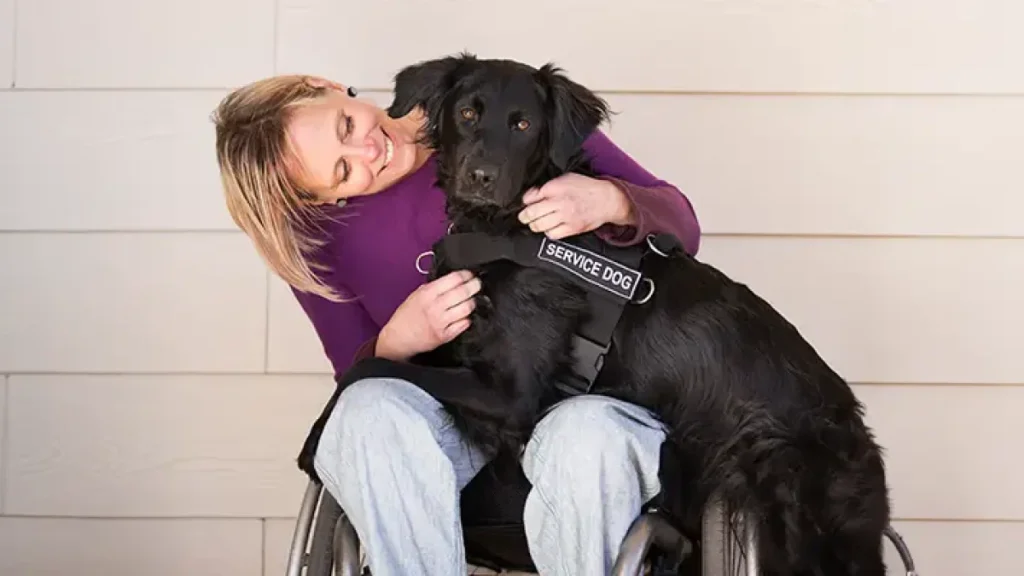
At the heart of positive training techniques lies a fundamental shift in how we view the relationship between humans and animals. Rather than using fear or dominance as tools for training, these methods focus on collaboration and harmony. Recognizing animals as sentient beings with their own emotions and needs encourages trainers to adopt a more humane approach. This not only helps to improve training outcomes but also elevates the overall well-being of the animals involved.
To grasp the potential of positive training techniques, it’s essential to delve into the core principles that guide these interactions. Some fundamental components include:
- Consistency: Animals thrive on predictability. Maintaining a consistent approach during training sessions helps to reinforce positive behaviors, making it easier for animals to understand what is expected of them. For example, if you’re training a cat to use a litter box, consistently rewarding them each time they use it will create a clear association between the behavior and the positive outcome.
- Boundaries and Structure: Positive training does not mean a lack of rules. Establishing boundaries is crucial for both the animal’s and the owner’s safety. Positive training techniques incorporate guiding the animal gently but firmly, allowing them to understand acceptable behaviors. For instance, training a dog to stay off furniture can be achieved through clear direction and positive reinforcement for staying on the floor.
- Socialization Opportunities: Engaging animals in social environments encourages healthy relationships with other pets and humans. By employing positive training techniques during socialization sessions, trainers can help animals develop confidence and comfort around different beings. Positive experiences during these interactions can bolster an animal’s mental health and ease behavioral issues down the road.
Taking into account these principles, positive training techniques demonstrate an understanding of animal psychology that fosters trust and strengthens the bond between pets and their owners. Numerous behavioral studies have provided evidence supporting the advantages of positive reinforcement over punitive methods. For example, dogs trained using positive techniques tend to display excellent social skills, making them more adaptable and less reactive to stressful situations.
Employing positive training methods does not only result in a well-behaved pet; it significantly contributes to their emotional and physical well-being. Pets that experience positive training are less likely to develop anxiety-related behaviors, ensuring a healthier and happier life in a household. The emphasis on positive interactions can also enhance the owner’s experience, promoting a stronger connection rooted in trust and mutual respect.
As we explore more about positive training techniques, the realization dawns that enhancing animal welfare isn’t about modifying behavior alone. It’s about cultivating a relationship that values understanding and compassion—truly reflecting how we aspire to coexist with our animal companions in a harmonious environment.
| Advantages | Description |
|---|---|
| Enhanced Animal Welfare | Positive training strengthens animal welfare by fostering a supportive learning environment. |
| Strengthened Human-Animal Bond | This method promotes trust and respect between animals and their trainers. |
| Increased Compliance | Animals trained with positive reinforcement are more likely to comply with commands. |
| Reduction of Behavioral Issues | Effective techniques prevent aggression, fear, and anxiety in animals. |
Exploring positive training techniques reveals significant outcomes not just for animals but for trainers as well. These methods, which rely on positive reinforcement rather than punitive measures, lead to a healthier wellbeing for all involved. The enhanced animal welfare directly correlates with the environment encouraging animals to blossom and thrive, making training a more enjoyable experience. As a result, the strengthened human-animal bond fosters a more fulfilling interaction, leading to better companionship.Moreover, the increased compliance witnessed in animals trained under these techniques leads to smoother training sessions. This not only enhances the learning process but also aids in reducing behavioral issues that might otherwise arise from negative training practices. Such insights challenge traditional views and open doors for a deeper understanding of effective animal training within welfare frameworks.
DISCOVER MORE: Click here for essential dental care tips
The Benefits of Positive Training Techniques for Animal Welfare
Diving deeper into the myriad benefits of positive training techniques reveals how they resonate beyond mere obedience. Instead of focusing solely on behavior modification, these approaches cultivate emotional enrichment, creating a happier and healthier environment for both animals and their human companions. One compelling aspect lies in the science of learning theory; understanding how animals acquire knowledge allows us to maximize their potential through constructive and enjoyable techniques.
One pivotal advantage of positive training is that it significantly reduces stress in animals. Stress can lead to a host of behavioral issues, such as aggression, anxiety, and fear-based reactions.
- Reduced Anxiety: Animals trained through positive reinforcement often showcase lower levels of anxiety. The incorporation of treats, praise, or toys as rewards helps animals forge positive associations with their training environment. For instance, a dog that associates the sound of a clicker with receiving a treat is likely to approach training sessions with eagerness rather than trepidation.
- Encouraging Exploration: Researchers have found that animals trained using positive techniques are more willing to explore new environments and stimuli. This willingness can lead to better adaptations and resilience against changes, paving the way for improved interactions within their environment.
Moreover, the implications of positive training extend into areas such as community dynamics and animal shelters. Shelters utilizing positive reinforcement methods report higher adoption rates. Potential adopters are drawn to animals that exhibit confident and well-behaved traits, which is often achievable through positive training regimes. This trend encourages adoption over purchasing animals, highlighting a growing awareness of animal welfare and ethical treatment. A prime example can be seen in organizations implementing programs that pair shelter staff with trained volunteers to work with animals on behavioral issues prior to adoption, reinforcing the success of positive methodologies.
The interconnectedness of animals’ physical and mental health cannot be overstated. Underlying the core principles of positive training is the focus on enrichment. Animals thrive when their physical capabilities are engaged alongside their intelligence. Training sessions can include puzzles or games that stimulate an animal’s mind while also encouraging movement. This multifaceted approach ensures animals remain engaged, physically active, and mentally sharp. For example, a bored dog might develop destructive behaviors, whereas a dog engaged in interactive play or complex commands is more likely to become a content, well-adjusted companion.
Further reinforcing the effectiveness of positive techniques, research conducted by the Animal Behavior Society has indicated that animals who undergo positive reinforcement training demonstrate improved cognitive function. This enhancement creates benefits that ripple out from individual households to broader societal gains. For instance, communities with educated pet owners contribute to a collective ethos of responsible care, reducing the number of stray animals and promoting public safety.
As we continue to investigate the significance of positive training techniques, it becomes apparent that the impact of these methodologies reaches far beyond the training session. By promoting animal well-being, fostering trust, and enhancing interpersonal connections, we are paving the way towards a future where human-animal relationships are characterized by mutual respect and understanding. This developing landscape of compassion in animal care not only improves the lives of individual animals but also enriches the community as a whole.
LEARN MORE: Click here to discover essential puppy socialization techniques
Conclusion: Fostering a Future of Compassionate Animal Relationships
In summary, the pivotal role of positive training techniques in promoting animal welfare cannot be overstated. By prioritizing humane and rewarding training methods, we are not merely shaping obedient animals but fostering emotional resilience and well-being. The scientific foundation supporting these techniques underscores their importance, demonstrating lowered anxiety levels and increased adaptability in animals. These benefits extend beyond the individual, influencing community dynamics as well.
Moreover, the significant improvements in adoption rates as a direct consequence of positive reinforcement in shelters highlight a pressing need for wider adoption of these practices. Creating environments where animals feel safe and engaged leads to healthier behaviors and more successful adoptions, ultimately contributing to a society that values responsible animal ownership. This shift not only enhances individual animal lives but also cultivates an ethos of compassion and respect among humans.
As we continue to explore the profound implications of these techniques, it becomes increasingly evident that a commitment to positive reinforcement is a pathway toward nurturing responsible pet ownership and educated communities. By championing methods that emphasize emotional enrichment, we can ensure that future generations of pets enjoy fulfilling lives, free from the adverse effects of outdated training practices. Embracing this new paradigm will help us build a world where human-animal relationships are not only beneficial but also characterized by deep mutual respect and understanding.