Socialization Techniques for Puppies: Preparing Them for a New World

Bringing a new puppy into your home is an exciting adventure, but it comes with the responsibility of ensuring they are well-prepared for the world around them. Socialization is a critical aspect of a puppy’s development, influencing their behavior and temperament later in life. It’s essential to introduce them to various environments, people, and other animals in a positive way to cultivate a well-adjusted adult dog that integrates smoothly into family life and society.
Why Socialization Matters
Socialization lays the groundwork for a well-adjusted adult dog. This phase of development is not just about play; it’s about helping your puppy learn how to respond to different stimuli and interact with their surroundings. Puppies that are socialized properly often exhibit:
- Reduced Anxiety: A well-socialized puppy learns to handle new experiences with calmness. For example, a puppy that has been exposed to various sounds—like sirens, thunder, or the vacuum cleaner—will likely be less troubled by these noises as an adult.
- Positive Behavior: Puppies exposed to different people and animals tend to show improved interactions. They are less likely to react fearfully or aggressively towards strangers, making trips to the dog park or family gatherings much more enjoyable.
- Improved Learning: Early socialization fosters a dog’s ability to learn commands and tricks. Puppies that have had diverse experiences tend to be more confident in training sessions, making it easier for their owners to teach them obedience or fun tricks.
Key Socialization Techniques
Implementing effective socialization techniques can make all the difference in your puppy’s development. Here are some valuable strategies to employ:
- Exposure to Various Environments: Take your puppy to parks, busy streets, and crowded areas to familiarize them with the sights and sounds of urban life. Make sure each experience is positive, perhaps by using treats or praise to reinforce good behavior in these stimulating environments.
- Interactions with Different People: Encourage your puppy to meet a diverse range of individuals, including seniors, children, and people wearing hats or sunglasses. This exposure helps them learn that people come in many forms and that most are friendly.
- Meeting Other Animals: Socializing with both familiar pets and new dogs is essential. Arrange puppy playdates or visit a local dog park. Observing interactions with other animals not only hones communication skills but also teaches them how to socialize appropriately.
As you prepare your puppy for the world, remember that the ultimate goal is to foster confidence and adaptability. Early and positive experiences lead to a secure and balanced adult dog, reducing the risk of behavioral issues as they grow older. By prioritizing socialization now, you establish the foundation for a harmonious and happy life together, making each day with your furry friend an enriching experience.
LEARN MORE: Click here to discover the benefits of balanced nutrition for your pet
Essential Steps for Effective Socialization
Socializing your puppy is an ongoing process, and early experiences are crucial in shaping how they perceive the world. Proper socialization techniques can significantly enhance the puppy’s ability to adapt to various situations and environments throughout their lives. Here are some essential steps to ensure your puppy receives the socialization they need:
Start Early
The best time to begin socializing your puppy is during the critical window of 3 to 14 weeks of age. This is when puppies are particularly receptive to new experiences. During this period, they are more likely to develop positive associations with various sights, sounds, and smells. To make the most of this time:
- Introduce New Experiences Gradually: Begin with less overwhelming scenarios and slowly increase the intensity. For instance, start by taking your puppy for short walks in quiet areas before progressing to busier streets or parks.
- Utilize Positive Reinforcement: Always reward your puppy with treats or affectionate praise when they encounter something new without fear. This strategy encourages them to explore their surroundings confidently.
- Attend Puppy Classes: Enrolling your puppy in a structured training class provides an excellent environment for socialization. They will interact with other puppies under the guidance of a trainer, learning important social cues and behaviors.
Variety is Key
Diversity in experiences is vital for effective socialization. Puppies should be exposed to a variety of people, places, and things. Here are some ways to ensure a well-rounded socialization experience:
- People of All Shapes and Sizes: Encourage interactions with individuals of different ages, races, and attire. Make sure your puppy meets children, adults, and even seniors. This exposure helps them understand that people can be diverse yet friendly.
- Different Sounds and Environments: Introduce your puppy to a range of sounds and environments, such as traffic, public transport, and household noises like the blender or vacuum cleaner. Playing recordings of various sounds can also help acclimate them to loud noises in a safe environment.
- Various Animal Encounters: Your puppy’s experience with other animals should extend beyond just dogs. Meeting pets like cats, rabbits, or even farm animals can enrich their socialization process. Always supervise interactions to ensure safety and foster positive experiences.
By putting a strong emphasis on early exposure and varied experiences, you not only prepare your puppy for the urban landscape of American life but also lay the groundwork for their emotional well-being. A well-socialized dog is likelier to thrive in various social situations, translating to a happier life for both you and your furry companion.
| Category | Details |
|---|---|
| Structured Playdates | Engaging with other puppies enables social bonding and learning appropriate behavior in a controlled environment. |
| Exposure to Diverse Environments | Taking puppies to different places, such as parks and pet-friendly stores, helps reduce fearfulness and encourages adaptable behavior. |
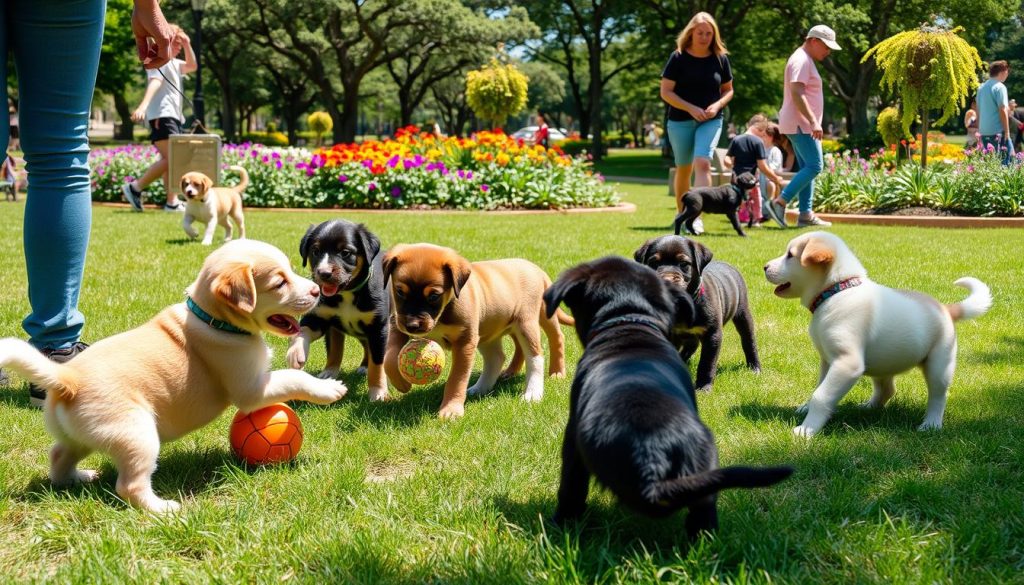
When thinking about effective socialization techniques for puppies, two key components come into play: structured playdates and exposure to diverse environments. Structured playdates allow puppies to interact with one another, emphasizing the importance of social bonding and teaching them how to engage without fear. During these interactions, puppies learn vital communication cues and develop their social skills that will serve them throughout their lives.Exposure to a variety of environments further solidifies their ability to adapt to different situations. By introducing them early to new sounds, sights, and experiences, puppy owners can significantly reduce the likelihood of future behavioral issues. This proactive approach ensures that the puppy becomes a well-rounded adult dog, ready to face the world confidently. The journey of socialization during this critical window can greatly influence the future temperament and behavior of your canine companion.
DISCOVER MORE: Click here for essential tips
Promoting Positive Interactions
Along with early exposure and variety, fostering positive interactions is crucial for successful puppy socialization. The way your puppy interacts with their environment and other beings shapes their experiences and behavioral responses. To ensure that these interactions are enriching rather than stressful, consider the following techniques:
Encourage Play and Exploration
One of the most effective ways to socialize your puppy is through play. Engaging your puppy in interactive play with other well-socialized dogs allows them to learn valuable social skills. Here are some important tips to make playtime beneficial:
- Supervised Playdates: Organize playdates with dogs that are known to be friendly and well-behaved. Observing other dogs interact can guide your puppy on how to communicate and establish social norms.
- Participate in Group Activities: Joining dog parks or puppy training classes can enhance your puppy’s socialization through group activities. Whether it’s an agility course or simply chasing a ball, group dynamics provide a rich learning environment.
- Use Toys Strategically: Utilize toys during play sessions to create a positive atmosphere. Engaging in fetch or tug-of-war games can help your puppy associate physical activity with positive feelings.
Train with Consistency and Patience
Training plays a vital role in socialization, as it gives your puppy the skills and commands essential for navigating different situations. Consistency and patience are the cornerstones of this process:
- Command Familiarization: Teach basic commands such as sit, stay, and come. These commands can help you control your puppy in various environments and prevent potential dangerous encounters.
- Practice in Different Locations: As your puppy learns commands, practice them in diverse environments—like parks, sidewalks, and unfamiliar homes—to reinforce their responses in new settings.
- Stay Calm: Your puppy can pick up on your emotions. If they sense anxiousness or frustration, it may heighten their stress. Maintain a calm demeanor and provide reassurance, which helps your puppy feel secure.
Socialize Through Field Trips
Field trips offer a practical approach to expose your puppy to the real world. Taking your puppy on adventures can significantly broaden their understanding of what to expect in everyday life:
- Visit Local Stores and Cafés: Many pet-friendly shops and cafés welcome dogs, making them an ideal spot to introduce your puppy to different scents, surfaces, and sounds while being around new people.
- Utilize Dog-Friendly Events: Attend puppy training workshops or dog shows where you can socialize them with other dogs and people. These events often provide a variety of stimuli and help create positive associations with larger crowds.
- Explore the Community: Bring your puppy to parks, community fairs, or outdoor movies. Regular outings create a sense of familiarity and security in public environments, promoting confidence in your puppy.
By prioritizing positive interactions and incorporating play, training, and field trips into your socialization routine, you are creating habitual comforts for your puppy. These foundational experiences ensure they grow into well-mannered and confident adults, ready to embrace their place in the world.
LEARN MORE: Click here to discover strategies for a healthier pet
Conclusion: Building a Confident Canine
Socializing your puppy is an essential journey that sets the groundwork for their emotional and behavioral development. By engaging in positive interactions through play, exploration, and consistent training, you are equipping your furry friend with the necessary skills to navigate the complexities of their environment. Remember, the key lies in creating a diverse and enriching experience that minimizes stress and maximizes positive outcomes.
As you introduce your puppy to new sights, sounds, and social situations, be mindful to maintain a calm demeanor, as this reassurance will help them build confidence. Supervised playdates with other well-socialized dogs and participating in community events will significantly enhance their social aptitude and comfort levels in various settings. Moreover, consistent training in a variety of environments establishes essential commands that can safeguard your puppy during unexpected circumstances.
Ultimately, the experiences you provide today will shape your puppy into a well-adjusted adult with the confidence to thrive in an ever-changing world. Embrace this opportunity to witness your pup grow, adapt, and flourish, and remember that your commitment to socialization is a pivotal investment in their overall happiness and behavioral health. Through dedication and love, you can ensure that your puppy is not just prepared for a new world but eager to explore it with enthusiasm and joy.