Training Techniques for Service Dogs: Preparing Animals for Special Functions
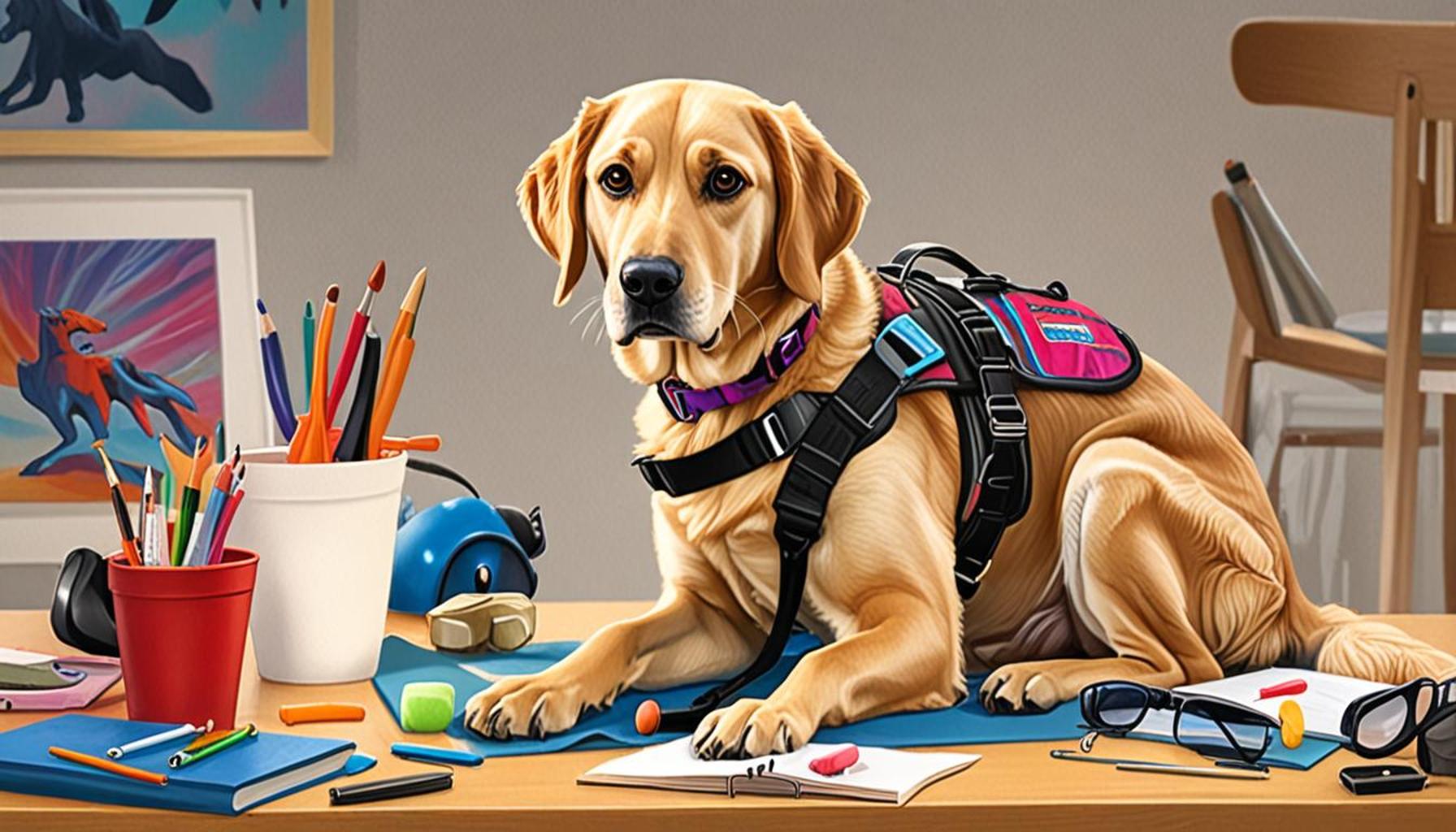
Service Dogs: Enhancing Lives Through Training
Service dogs are not simply pets but invaluable partners who perform specific tasks that significantly enhance the quality of life for individuals with disabilities. These highly intelligent and specially trained animals play critical roles that range from physical assistance to emotional support, adapting their skills to meet the unique needs of each handler.
The Roles of Service Dogs
The functions that service dogs serve are diverse, demonstrating their training versatility. Here are some of the main areas in which they provide assistance:
- Assistance for Individuals with Mobility Challenges: Service dogs can help individuals who have difficulty walking or maintaining balance. For example, they can be trained to retrieve dropped items, open doors, or even pull a wheelchair.
- Emotional Support in Stressful Situations: These dogs are often trained to comfort their owners during panic attacks, anxiety episodes, or high-stress situations, helping to stabilize their emotional state.
- Alerting to Medical Conditions: Service dogs can recognize signs of medical conditions such as seizures, low blood sugar, or impending panic attacks and alert their handlers or even fetch help in emergencies.
Training Techniques for Success
To achieve these remarkable capabilities, service dogs undergo comprehensive training programs that typically last several months to a few years. This training employs several techniques tailored specifically to both the animal’s instincts and the handler’s needs:
- Positive Reinforcement: This method involves rewarding the dog with treats, praise, or play for displaying desired behaviors, fostering a willingness to learn and adhere to commands.
- Socialization: Service dogs must be exposed to a variety of environments, sounds, and situations to ensure they can remain calm and focused while assisting their handlers in public spaces.
- Task-Specific Training: Tailored to the specific disabilities of the handler, this training helps the dog learn precise tasks that will make a difference in their owner’s daily life, such as retrieving medications or turning on lights.
These training methodologies are not just about obedience; they work to establish a profound connection between the service dog and their handler. This bond is vital as it fosters independence and empowerment, allowing individuals with disabilities to lead fulfilling lives.
Exploring Training Methods in the United States
In this article, we will delve deeper into the most effective training methods utilized in the United States, exploring how they contribute to the success of service dogs in fulfilling their vital roles. Understanding these techniques not only highlights the dedication of trainers but also reinforces the importance of proper service dog training in promoting a better quality of life for those in need. As prospective service dog owners learn about these methods, they will gain invaluable insights into the partnership dynamics that create success stories in the realm of service animal assistance.
DISCOVER MORE: Click here to learn about the best feeding options for your cat
Understanding the Foundation of Service Dog Training
Training techniques for service dogs are meticulously designed to optimize the animal’s performance and the handler’s experience, leading to a truly transformative bond. The foundation of such training is built upon a combination of scientifically-proven methods and a deep understanding of canine behavior. Experts in the field recognize that each dog, just like each handler, is unique, necessitating an individualized approach to training.
Key Aspects of Effective Service Dog Training
Successful service dog training encompasses several critical areas that ensure the animals are well-prepared for their specific functions. Below is an overview of the fundamental aspects that trainers focus on:
- Behavioral Assessment: Before embarking on training, trainers conduct a thorough behavioral assessment to identify the dog’s strengths and weaknesses. This step ensures that the training is aligned with the dog’s natural instincts, making it easier for them to learn and perform tasks efficiently.
- Basic Obedience Training: Establishing a strong foundation in basic commands such as sit, stay, and come is essential. These elements are the building blocks of more advanced tasks, allowing dogs to follow instructions reliably in different environments.
- Gradual Skill Development: Service dog training is typically structured to build skills progressively. Starting with simple commands, the training becomes increasingly challenging to equip the dog for more complex tasks that require both physical and cognitive abilities.
- Consistency and Repetition: Consistency in commands and the frequency of practice sessions are essential. Repetition helps reinforce learning and ensures that the service dog can respond appropriately even in distracting environments.
Furthermore, training is not solely about teaching commands; it is also focused on fostering the dog-handler relationship. A positive emotional bond enhances the dog’s ability to intuitively respond to the handler’s needs, especially in emergency situations.
The Importance of Specialized Training
As service dogs can assist individuals with various disabilities, specialized training methods are tailored to meet those specific needs. For instance, guide dogs embark on a training journey centered around navigation and obstacle avoidance, while psychiatric service dogs may focus on alerting their handlers during anxiety attacks or grounding them during episodes of distress.
Additionally, some organizations emphasize the importance of environmental exposure, training service dogs to comfortably navigate crowded places, busy streets, and different terrains. This familiarity mitigates any potential distractions and enhances the dog’s ability to function effectively in real-world settings.
Thus, the training techniques employed not only prepare service dogs for their roles but also ensure that they become an integral part of their handler’s life. The commitment to using structured methods highlights the dedication to ensuring these animals can serve with confidence and efficiency, ultimately enhancing the well-being of those they assist.
Exploring Effective Training Techniques
Training service dogs requires a blend of precise methodologies, patience, and an understanding of canine behavior. Here, we explore some of the most effective techniques that ensure service animals are well-equipped for their special functions.
1. Positive Reinforcement
One of the most widely endorsed approaches is positive reinforcement. This technique relies on rewarding desirable behavior with treats, praise, or play. By associating good actions with positive outcomes, service dogs learn to repeat these behaviors, which is crucial in high-pressure environments.
2. Clicker Training
Clicker training is another method that has gained traction among trainers. This involves using a clicker to signal to a dog that they have performed the desired behavior. The sound of the click becomes a marker that distinguishes correct actions, making it easier for dogs to grasp training concepts. This method helps accelerate learning and strengthens the bond between the trainer and the dog.
3. Socialization
Service dogs must be able to behave in various environments. Socialization is vital; it involves exposing dogs to different people, pets, sounds, and situations. The goal is to desensitize them to distractions so they can perform their tasks consistently, regardless of external stimuli.
4. Task-Specific Training
Depending on their intended function, dogs undergo task-specific training. For example, medical alert dogs learn to detect the onset of medical issues such as seizures or low glucose levels. This requires focused training on specific signals and responses that alert their handlers.
5. Consistency and Routine
Maintaining a consistent routine during training sessions helps solidify learning. Dogs thrive on structure; therefore, trainers establish predictable training patterns so that dogs become familiar with what to expect, which enhances focus and retention of learned tasks.
6. Ongoing Assessment
Training does not end once initial skills are acquired. Ongoing assessment and refresher training sessions are crucial. Regular evaluations help ensure that service dogs remain proficient in their tasks and can adapt to new challenges as they arise in their roles.
| Advantages | Key Benefits |
|---|---|
| Enhanced Safety | Service dogs help mitigate risks for individuals with disabilities by performing tasks that prevent accidents and alert them to dangers. |
| Improved Independence | With proper training, service dogs empower their handlers to lead more independent lives, enhancing their quality of life and daily functioning. |
Incorporating these techniques in training programs can vastly improve the effectiveness of service dogs, allowing them to perform their designated tasks reliably and expertly. Each training method thrives on consistency and understanding, fostering a strong relationship between the service animal and their handler, which is fundamental in the success of service dog programs.
DISCOVER MORE: Click here to learn about the vital role of balanced nutrition for your pets
The Role of Positive Reinforcement in Training
One of the most effective training techniques for service dogs is the use of positive reinforcement. This approach focuses on rewarding desired behaviors to encourage their recurrence, thus creating a motivational framework that significantly enhances learning. Trainers often utilize treats, praise, and play as rewards, fostering a positive environment that strengthens the bond between the dog and the handler.
Research shows that this method not only improves a dog’s ability to learn and retain information but also boosts their confidence. Effective implementation of positive reinforcement involves timing—rewarding the dog immediately after they have displayed the desired behavior so that they can make the connection between the action and the reward.
Incorporating Real-Life Scenarios
Another crucial aspect of training involves exposing service dogs to real-life scenarios that they may encounter while assisting their handlers. These simulations are instrumental in preparing the dogs to cope with distractions and challenges in various environments. For example, training sessions can be conducted at busy parks, shopping malls, or public transportation systems, where dogs can become adept at ignoring distractions while remaining focused on their tasks.
Organizations often implement field trips as part of the training regimen. These experiences not only help dogs learn to handle different sounds, sights, and smells but also allow them to practice specific commands in real-world contexts. Additionally, acclimating them to situations such as navigating through crowds or encountering other animals reinforces their adaptability and problem-solving skills.
Advanced Training Techniques: Task-Specific Skills
Once the dog has mastered basic obedience and has adjusted to different environments, trainers introduce task-specific skills tailored to the needs of their handlers. This involves teaching the dog a variety of tasks, which might include retrieving items, opening and closing doors, or providing physical support for individuals with mobility challenges. For instance, a medical alert dog may be trained to detect changes in blood sugar levels, notifying their handler to take necessary actions.
The complexity of these tasks can vary greatly; trainers often employ a technique called shaping, where they reward successive approximations of the desired behavior until the final behavior is achieved. This gradual process is essential for honing the dog’s skills and fostering a sense of achievement in both the animal and the trainer.
Collaboration Between Handlers and Trainers
A successful service dog training program emphasizes a collaborative approach between trainers and handlers. Communication is key in ensuring that the trainer understands the handler’s specific needs and lifestyle, allowing for tailored training protocols that mirror real-world scenarios.
Handlers are encouraged to be actively involved in training sessions, reinforcing the skills learned by their service dogs. This cooperation strengthens their mutual understanding and creates a cohesive partnership that is vital for effective service. After all, a service dog’s success hinges not just on their training but also on the compatibility and rapport established with their handler.
In summary, incorporating positive reinforcement, real-life scenario training, task-specific skills, and collaborative efforts between handlers and trainers not only optimizes the training process for service dogs but also prepares them for the unique and special functions they will perform in supporting individuals with disabilities.
DISCOVER: Click here to learn more
Conclusion
In conclusion, mastering training techniques for service dogs is essential for ensuring these remarkable animals can perform their unique and vital roles effectively. By utilizing methods such as positive reinforcement, trainers create a supportive learning environment that fosters both skill acquisition and the dog’s confidence. Coupling this technique with exposure to real-life scenarios prepares these service animals to navigate the complexities of everyday life alongside their handlers, enabling them to excel in a variety of challenging environments.
The incorporation of task-specific skills further highlights the depth of training required, as these dogs learn to perform specialized tasks tailored to assist individuals with diverse needs. Such focused training not only equips service dogs with the necessary skills but also promotes a sense of achievement that enhances their overall well-being.
Moreover, the importance of a strong partnership between handlers and trainers cannot be overstated. This collaboration allows for a personalized training approach that reflects the unique lifestyle of each handler, ultimately leading to a harmonious bond between human and animal. As awareness of the capabilities and complexities of service dogs continues to grow, so too does the necessity for effective training programs that prioritize these techniques.
For those interested in delving deeper into the world of service dog training, further exploration into emerging methods and scientific findings is encouraged. This dedication to understanding and improving service dog training will not only enhance the quality of life for the dogs and their handlers but also promote a deeper appreciation for the immeasurable impact these animals have on society.