
Mental Health Care for Pets: Strategies and Tips

Understanding Pet Stress and Anxiety
It’s a common misconception that pets are immune to stress or anxiety. Just like humans, pets can experience a range of emotional challenges that impact their well-being. Recognizing and addressing these mental health issues is crucial for their overall happiness and health. Pet owners often overlook the signs, believing their four-legged companions are always happy when, in reality, they may be coping with significant emotional turmoil.
Consider the following signs that your pet might be struggling:
- Changes in behavior: Sudden aggression or withdrawal can indicate distress. For instance, a normally friendly dog that begins to growl at visitors may be feeling overwhelmed by too much social interaction.
- Excessive barking or meowing: This behavior may point to anxiety or frustration. A cat that incessantly meows could be expressing loneliness or boredom, while a dog that barks loudly may be trying to voice its unease about changes in the environment.
- Loss of appetite: Not eating can signal deep-seated stress or depression. If a pet suddenly refuses its favorite food or shows no interest in treats, it’s time to take a closer look at potential stressors in their life.
Pet owners are increasingly seeking effective strategies to support their furry companions. Understanding how to provide mental health care can significantly enhance their quality of life. Here are some essential tips to get started:
- Create a secure environment: A safe space helps pets feel more relaxed. This could be a cozy corner of the house filled with their favorite toys and blankets, where they can retreat whenever they feel overwhelmed.
- Incorporate playtime: Regular physical activity stimulates mental health. Activities like fetch, tug-of-war, or even simple walks can help to relieve anxiety and promote a happy demeanor.
- Consult a professional: A veterinarian or animal behaviorist can provide tailored advice. They can help identify underlying issues causing stress and recommend appropriate treatments, which may include behavioral modification techniques or, in some cases, medication.
As our understanding of animal psychology grows, it’s essential for pet owners to stay informed and proactive. The American Veterinary Medical Association (AVMA) emphasizes the importance of mental well-being for pets and advocates for responsible ownership practices that prioritize emotional health. By implementing simple household changes, engaging in regular play, and seeking professional guidance when necessary, pet owners can contribute to a happier and more fulfilling life for their pets.
Strengthening the bond between you and your beloved companion is rewarding. In doing so, you foster a deeper connection built on trust and love, paving the way for a long, healthy relationship together. With the right knowledge and actions, you can create an enriching environment that keeps your pet thriving both physically and mentally.
DISCOVER MORE: Click here for insights on pet nutrition
Building a Foundation for Pet Emotional Wellness
To enhance the mental health of our pets, it is essential to understand that mental well-being starts with a stable, loving environment and routine. Much like humans, animals thrive on predictability and comfort. Establishing a framework for pet emotional wellness involves adjusting daily rituals, providing enrichment, and ensuring the basics of a happy life are met. This foundation can significantly mitigate anxiety and stress, making it vital for every pet owner to implement these principles.
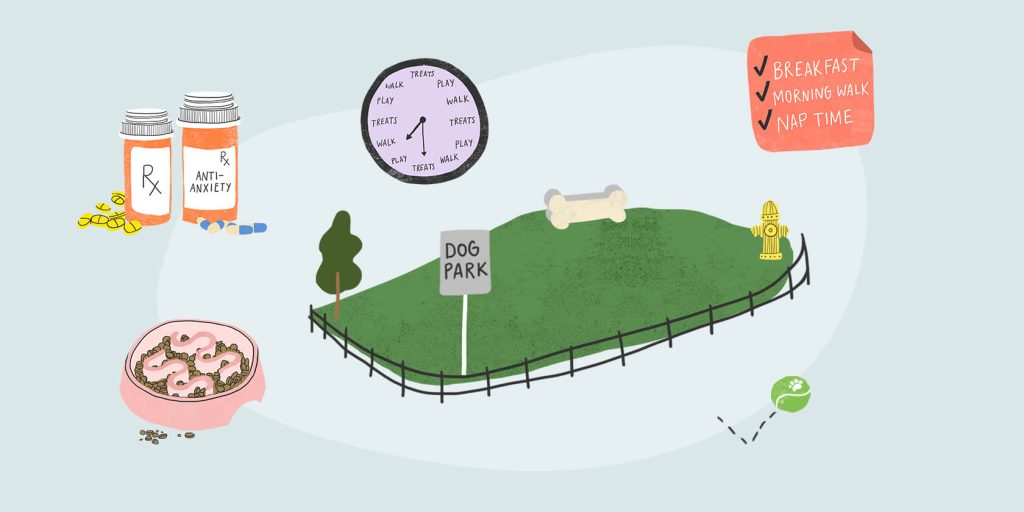
One of the first steps in this process is to establish a consistent daily routine. Dogs and cats alike benefit from predictability in their day-to-day activities. Feeding time, walk schedules, and play sessions should occur at approximately the same time every day. This not only makes your pet feel more secure but also prepares them mentally for the day ahead. If changes need to be made, consider introducing them gradually to help your pet adjust without added stress.
Additionally, providing a variety of mental stimulation activities can help combat boredom and anxiety. Pets, especially dogs, need more than just physical exercise; they require enriching experiences that stimulate their minds. Here are some effective mental stimulation activities:
- Puzzle toys: These toys challenge pets to think critically, solving problems to receive a reward, usually in the form of food.
- Training sessions: Teaching new tricks or commands not only reinforces good behavior but also provides mental challenges that can alleviate anxiety.
- Interactive games: Engaging in games like hide-and-seek or treasure hunts can keep pets mentally sharp and entertained.
Moreover, it’s essential to monitor your pet’s interactions with their environments. Frequent changes in surroundings, such as moving houses or welcoming new family members, can elicit anxiety. Pets may need time to acclimate to new situations, so patience is key. Creating safe spaces within the home can also aid in this adjustment period. Blankets, toys, and even a cozy bed in a quiet area can act as refuges where your pet can retreat and feel secure.
In addition to these adjustments, recognizing and validating your pet’s emotional needs is critical. Pets, especially dogs, are known for their loyalty and attachment to their owners. Providing consistent affection and verbal affirmations can help them feel more secure. Just like people, pets can suffer from bouts of insecurity, and your reassurance can make a world of difference.
Through these strategic efforts, pet owners can lay the groundwork for a lifetime of emotional resilience. The journey toward improved mental health for your animal companions is an ongoing process that requires attention and adaptability. Understanding and incorporating these strategies will not only benefit their mental state but will also strengthen the bond between you and your furry friend.
| Category | Description |
|---|---|
| Emotional Support | Pets can provide invaluable emotional support to their owners and can help alleviate feelings of loneliness and anxiety. |
| Behavioral Treatment | Understanding your pet’s behavior can lead to effective treatment strategies that improve both mental health and overall wellbeing. |
| Routine and Structure | Creating a consistent routine for care and play can significantly reduce anxiety in pets, fostering a serene environment. |
| Socialization Opportunities | Regular social interactions, such as playdates, can enhance social skills and reduce behavioral issues. |
Understanding the mental health of your pets is crucial for their happiness and health. Strategies such as providing them with emotional support foster their wellbeing. Identifying and addressing behavioral issues through behavioral treatment can lead to a more harmonious living environment. Furthermore, developing a routine can help create a sense of stability, reducing anxiety in pets. Engaging them in socialization opportunities allows for balanced emotional growth and enrichment, reinforcing their mental health. Each of these categories contributes significantly to a pet’s mental health care, and exploring them can yield effective strategies and tips for responsible pet ownership. By prioritizing their mental health, we not only enhance their lives but also enrich our own through the joy they bring.
DISCOVER MORE: Click here to learn about positive reinforcement in dog training
Navigating Behavioral Challenges in Pets
Despite our best efforts to create a nurturing environment, many pets may still experience emotional challenges, exhibiting behaviors that signal distress. Understanding these behaviors and implementing appropriate strategies is paramount for addressing the mental health needs of our companions. By honing in on specific signs of anxiety or stress, we can tailor our approaches to fit each pet’s unique personality and circumstances.
Common indicators of mental health struggles in pets can include:
- Excessive barking or meowing: This can be a sign of anxiety, fear, or a need for attention.
- Destructive behavior: Chewing furniture or scratching at doors may indicate boredom or frustration.
- Withdrawal or hiding: When pets shy away from interaction or seek refuge in corners, it often points to stress or discomfort.
- Changes in eating habits: A sudden decrease in appetite or the opposite may signal distress.
Once identified, creating a tailored action plan becomes essential. For example, if a pet exhibits signs of separation anxiety, introducing gradual desensitization techniques may be beneficial. Leaving the pet alone for short periods, then gradually increasing that duration, can help them become accustomed to being alone without panic. Complementing this strategy with comfort items, such as a favorite toy or blanket, can further ease their anxiety.
Moreover, behavior modification techniques can play a critical role in alleviating stress. For instance, positive reinforcement encourages desired behaviors through rewards, fostering a sense of trust and security. Training a dog to sit or stay using treats can occupy their mind while simultaneously reinforcing a positive bond between the pet and the owner.
Exploring alternative treatments can also significantly enhance mental health care for pets. Many pet owners are discovering the benefits of aromatherapy or calming supplements. Products infused with natural ingredients like lavender or chamomile can create a soothing atmosphere. Consult with a veterinarian to identify supplements that are safe and effective for your pet’s specific needs, ensuring confidence in your choices.
Engaging with pet professionals, such as certified animal behaviorists or trainers, can provide valuable insight and tailored strategies. These experts can identify unwanted behaviors and offer guidance on preventive measures or behavioral therapies, leading the way toward emotional growth and stability.
Additionally, the importance of socialization cannot be understated. Regular interactions with other animals and new environments can enrich a pet’s life and reduce anxiety. Organizing playdates or puppy classes can create positive experiences that boost confidence and enhance social skills.
As you embark on the journey of improving your pet’s mental health, remember that patience and consistency are vital. Each pet is unique, and finding the right combination of strategies may require time. Establishing routines, engaging in training, and exploring behavioral therapies or alternative treatments go hand in hand to create an environment where pets can thrive emotionally.
In a world where pets are increasingly regarded as family, understanding and addressing their mental health needs is more important than ever. By integrating these strategies into daily life, pet owners can foster a fulfilling existence for their furry companions, ultimately enhancing their well-being and happiness.
LEARN MORE: Click here for essential dental care tips
Conclusion
In the pursuit of optimal mental health care for pets, it is essential to embrace a multifaceted approach that prioritizes understanding, compassion, and proactive strategies. As pet owners, we play a pivotal role in identifying behavioral shifts that may indicate emotional distress, providing the necessary support and interventions to guide our pets towards a healthier emotional state. By recognizing signs such as excessive barking, destructive behaviors, or changes in eating habits, we can take actionable steps to address their needs and foster a comforting environment.
Implementing tailored strategies such as positive reinforcement and gradual desensitization not only addresses specific challenges but also deepens the bond we share with our pets, enhancing their sense of security. Furthermore, exploring various tools—from aromatherapy to engaging with qualified professionals—can introduce new dimensions of care tailored to each pet’s individual requirements. These strategies collectively contribute to a holistic approach that enriches their lives.
Additionally, prioritizing socialization and engaging in playful interactions are vital components that can alleviate anxiety and instill confidence. These efforts extend beyond mere companionship; they strengthen the emotional resilience of our furry friends, enabling them to better navigate life’s challenges. As the understanding of pets’ mental health continues to evolve, we must remind ourselves that enhancing their well-being is a journey requiring patience and commitment.
Ultimately, by integrating these insights and strategies into our daily routines, we not only improve our pets’ emotional health but also cultivate a harmonious coexistence that benefits both parties. As we continue to learn more about the importance of mental health care for pets, our furry companions stand to thrive, leading to a more joyful and fulfilling relationship.