
Natural Feeding: Benefits and Challenges in Pet Diets
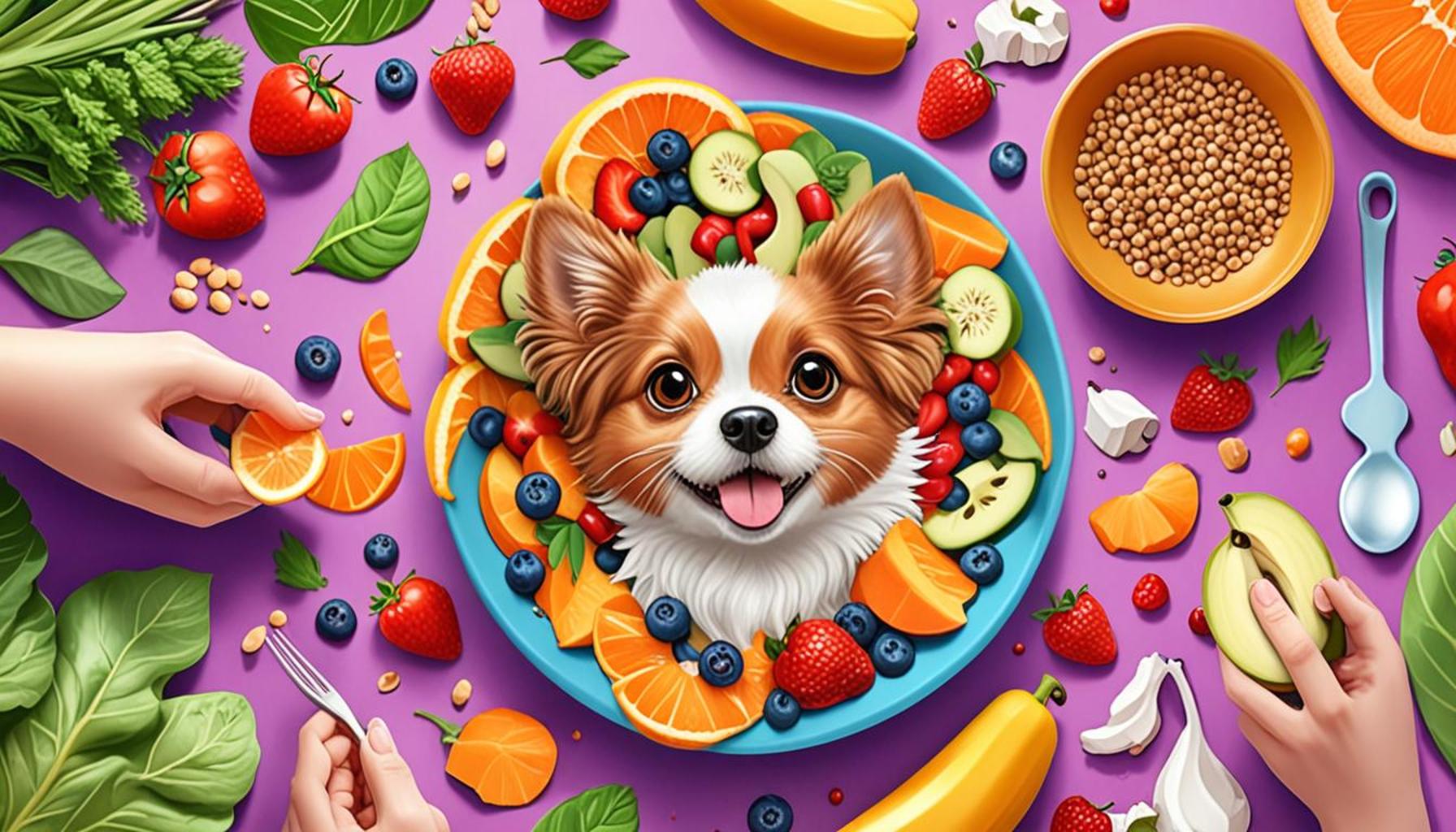
Understanding Natural Feeding for Pets
In recent years, pet owners across the United States have increasingly turned to natural feeding as a way to enhance the health and well-being of their furry companions. This approach often embraces the consumption of whole, unprocessed foods, reflecting the diets that ancestors of our pets would have followed in the wild. The appeal of these natural diets is rooted in their potential health benefits, as well as the more organic nature of the ingredients compared to mass-produced commercial pet foods available on the market.
So, what constitutes natural feeding? The practice often includes:
- Raw meats, fruits, and vegetables: Many proponents believe that feeding pets raw, high-quality meats along with fresh fruits and vegetables can provide essential nutrients that are easily digestible. Popular choices for raw feeds include chicken, beef, and fish, while fruits such as blueberries and vegetables like carrots can serve as beneficial add-ons.
- Minimal processing and additives: Unlike traditional pet foods that may contain preservatives, artificial flavors, or fillers, natural feeding focuses on whole foods. Pet owners might choose to prepare meals at home, ensuring they know exactly what goes into their pets’ diets.
- A focus on high-quality, locally sourced ingredients: There is a strong movement towards sourcing organic and locally produced foods. Many pet owners find sustainable, local farms that supply grass-fed meats or pesticide-free vegetables, which often results in healthier meals for their pets.
While the benefits of natural diets are frequently highlighted—such as improved digestion, shinier coats, and increased energy levels—there are also notable challenges that pet owners need to consider. These include:
- Balanced nutrition requirements: For a dog or cat’s health, it’s crucial that they receive a balanced diet that meets all their nutritional requirements. Without careful planning, owners risk inadvertently creating deficiencies or excesses that could harm their pets.
- Risks of bacterial contamination: Raw meat diets can pose health risks not only to pets but also to humans in the household. Bacteria such as Salmonella or E. coli may proliferate in raw foods, necessitating careful food handling and hygiene practices.
- Higher costs and availability of ingredients: Natural feeding can be more expensive than conventional pet food, as high-quality meats and organic produce often carry a premium price. Additionally, these ingredients might not be accessible to everyone, especially in urban areas with limited resources.
The dialogue around natural feeding raises many questions. Is this approach to pet nutrition a holistic solution that will endure, or do the associated risks outweigh its benefits? The answers depend significantly on individual circumstances, pet health needs, and a commitment to ongoing education. Engaging with veterinarians and knowledgeable pet nutritionists can offer additional clarity as the conversation continues to evolve within the pet-owning community.
DISCOVER MORE: Click here for essential tips on choosing your perfect pet

The Benefits of Natural Feeding
Natural feeding is increasingly recognized for its potential health benefits that can play a crucial role in a pet’s overall well-being. Many pet owners have reported noticeable improvements in their animals’ health after transitioning to a more natural diet. Here are some of the most significant advantages that have been observed:
- Improved Digestion: Natural feeding often leads to better digestive health. Whole ingredients, such as fruits and vegetables, are rich in fiber, which can help prevent constipation and promote a healthy gut. Moreover, many pets with sensitivities to certain grains or fillers found in commercial pet food may experience relief from digestive issues when switched to a natural diet.
- Shinier Coats and Healthier Skin: The quality of a pet’s fur and skin can often be linked to their diet. Pets that consume nutrient-rich, whole foods typically exhibit a shinier, healthier coat. Essential fatty acids, often found in quality meats and fish, play a significant role in maintaining skin health and can help manage allergies and skin irritations.
- Increased Energy Levels: A natural diet can lead to increased vitality in pets. Owners often report that their animals become more active and playful after starting on a natural feeding regimen. A diet rich in natural proteins and balanced macronutrients can provide the energy needed for a more active lifestyle.
- Weight Management: Because natural diets often contain fewer calories from fillers and additives, they can be particularly helpful for pets that struggle with obesity. Whole food ingredients help pets maintain a healthy weight by promoting satiety while delivering essential nutrients.
The Challenges of Natural Feeding
While the benefits of natural feeding are commendable, they do not come without challenges. It’s essential to consider the following factors before embarking on a natural feeding journey with your pet:
- Balanced Nutrition Requirements: Ensuring that your pet’s diet is nutritionally complete can be complicated. Pets, like humans, have specific dietary requirements for vitamins, minerals, and other nutrients. Failing to provide a balanced diet can lead to deficiencies or excesses that may negatively impact health.
- Food Safety Risks: Natural diets, especially those high in raw meats, can introduce risks associated with bacterial contamination, such as Salmonella and E. coli. These pathogens can not only affect your pet but can also pose a risk to humans, particularly young children, the elderly, or those with compromised immune systems. Adopting stringent hygiene practices in food preparation and handling is crucial.
- Higher Costs: Sourcing high-quality meats and fresh produce can quickly add up, making natural feeding more expensive than traditional pet food. Pet owners need to consider their budgets as they transition and may seek out local farms or co-ops to find more affordable options.
It’s clear that while natural feeding offers numerous advantages, the path to implementing such a diet comes with unique challenges that require careful planning and consideration. Understanding the balance between benefits and potential risks is key to determining if this approach aligns with both the owner’s lifestyle and the pet’s specific needs.
Exploring the Benefits of Natural Feeding
Natural feeding for pets has gained significant traction among pet owners seeking to enhance their companions’ diet through whole, unprocessed foods. This approach emphasizes the importance of incorporating raw, organic, and holistic ingredients into pet meals, which can offer numerous health advantages. One notable benefit includes improved digestion; natural diets often lead to better nutrient absorption and result in firmer stools. Furthermore, these diets can boost the immune system, reducing the frequency of illnesses among pets.
Challenges Faced in Implementing Natural Feeding
While the allure of natural feeding is appealing, it is essential to recognize the challenges associated with such diets. One of the primary concerns is ensuring a balanced nutritional profile; pets require specific vitamins and minerals to thrive, and it can be challenging to provide these through natural means alone. Additionally, the risks of bacterial contamination from raw meats can pose significant health threats to both pets and their owners. Owners must also consider the cost and time commitment to sourcing quality ingredients, preparing meals, and monitoring their pet’s health continuously.
| Category | Details |
|---|---|
| Nutritional Benefits | Increased energy and vitality from natural sources. |
| Health Improvements | Enhancements in coat quality and skin health. |
| Digestive Health | Reduction in allergies and gastrointestinal issues. |
| Cost Implications | Higher expenditure on quality ingredients for meals. |
In light of these discussions, pet owners are encouraged to carefully assess their choices in natural feeding, weighing benefits against potential risks, and considering consulting with veterinarians to tailor the best dietary plans for their furry friends.
DIVE DEEPER: Click here to learn more about your dog’s nutritional needs
Additional Considerations in Natural Feeding
As pet owners explore the possibilities of natural feeding, several additional factors warrant consideration. These considerations are crucial for ensuring that the natural diet not only meets the pet’s health needs but also aligns with owner capabilities and values.
Cultural and Regional Influences
The concept of natural feeding can be influenced by cultural dietary practices and the availability of ingredients. In the United States, there is a growing trend towards organic and locally-sourced foods, which resonates with pet owners who prioritize quality in their pets’ nutrition. Many regions are seeing a rise in farmers’ markets and co-ops that sell fresh produce and high-quality meats, making it easier for pet owners to create a natural diet. However, in other areas, access to such resources can be limited, necessitating alternative solutions. Pet owners may need to be resourceful and adaptable, exploring online marketplaces or community-supported agriculture programs to source ingredients.
Time and Preparation
Natural feeding typically demands a greater time commitment from pet owners than simply pouring kibble into a bowl. Preparing fresh meals requires planning, cooking, and even experimenting with different recipes to find the right mix of nutrients for a pet’s specific needs. This commitment can be a challenge for busy households. Pet owners must weigh the benefits of fresh food preparation against their daily schedules and decide whether they can realistically maintain a natural feeding regimen. Batch cooking and meal prepping can alleviate some of the time pressure, allowing owners to prepare multiple meals at once, but these practices require discipline and organization.
Consultation with Veterinary Professionals
Implementing a natural diet warrants a thoughtful approach, including consultation with veterinary professionals or pet nutritionists. While many pet owners have good intentions, understanding the nuances of pet nutrition can be complex. Collaborating with an expert can help ensure that the natural diet aligns with the pet’s life stage, breed, and any underlying health issues. For example, puppies have different nutritional requirements compared to adult dogs, and certain breeds may require specific nutrients to thrive. Moreover, pets with health conditions may necessitate specialized diets that could conflict with a strictly natural approach. A professional can help create a customized nutrition plan that balances the benefits of natural feeding with the necessity of meeting individual health needs.
Monitoring and Adjustments
Once a natural feeding regimen is adopted, pet owners should monitor their pets closely for any changes in behavior, appetite, or health. Regular veterinary check-ups become essential to assess weight, dental health, and overall well-being. Adapting and making adjustments to the diet may be necessary based on feedback from the vet or changes in the pet’s lifestyle and health condition. This ongoing assessment can sometimes be overlooked amid the excitement of trying new diets, but it is vital to fully reap the benefits of natural feeding.
In summary, while natural feeding presents enticing advantages for pet health, such as improved energy and better digestion, it is important to navigate the inherent challenges thoughtfully. By considering cultural factors, time commitments, expert consultation, and regular monitoring, pet owners can make informed decisions that enhance their pets’ lives through natural diets.
DISCOVER MORE: Click here for the complete guide
Conclusion
In an age where holistic well-being is becoming increasingly important, natural feeding for pets emerges as a compelling choice that elicits both excitement and caution among pet owners. The benefits of such diets—including enhanced digestion, increased energy levels, and a potential reduction in allergies—are hard to overlook. However, tackling the challenges of preparation time, ingredient sourcing, veterinary collaboration, and continuous monitoring demands thoughtful consideration. Pet owners must recognize that a successful natural diet does not merely involve fresh ingredients; it entails a balance of nutrition tailored specifically to a pet’s unique requirements.
Moreover, as we navigate this evolving landscape, it becomes evident that cultural influences play a significant role in shaping what constitutes a natural diet for pets in various regions across the United States. The rise of local markets and organic options offers exciting opportunities yet also highlights disparities in availability for many pet owners. Thus, exploring alternative solutions, such as online sourcing or community-supported agriculture, is essential for maximizing the benefits of natural feeding.
Ultimately, by approaching natural feeding with an informed perspective and remaining open to adaptations, pet owners can craft diets that enhance their pets’ overall quality of life. Continuous engagement with veterinary professionals will further empower owners to make adjustments as needed, ensuring that their furry companions thrive on a wholesome and balanced diet. As we move forward, the journey of natural feeding presents an intriguing pathway for exploration, one that holds the potential to deepen our bonds with our pets while promoting their health and happiness.