The importance of socialization for adopted pets
Understanding the Vital Role of Socialization
Adopting a pet is a joyous occasion, but it also comes with responsibilities that shape their future. Socialization is a critical aspect of integrating adopted pets into their new homes. Without adequate socialization, pets may struggle with behavioral issues and anxiety.
Why Socialization Matters
Effective socialization can transform an anxious, timid pet into a confident companion. Here are some key reasons why it is essential:
- Improved Behavior: Pets that are properly socialized are less likely to develop fear-based behaviors. For example, a dog that meets a variety of people and other animals from a young age is less likely to grow up fearful or aggressive towards strangers.
- Stronger Bonds: Socializing enhances the relationship between the pet and its owner. When pets feel secure and comfortable in various settings, they are more likely to develop trust and affection towards their owners, resulting in a deeper emotional connection.
- Reduced Stress: Well-socialized pets tend to manage new experiences with ease. Take the example of a cat that is accustomed to varying household noises or a dog that relishes trips to the vet; both are generally calmer and less anxious in unfamiliar situations.
Key Aspects of Socializing Your Adopted Pet
Socialization involves exposing your pet to different environments, people, and other animals. This exposure may include:
- Regular visits to parks and public areas: Taking your dog to a local park not only provides physical exercise but also allows them to interact with other dogs and humans, which is crucial for developing social skills.
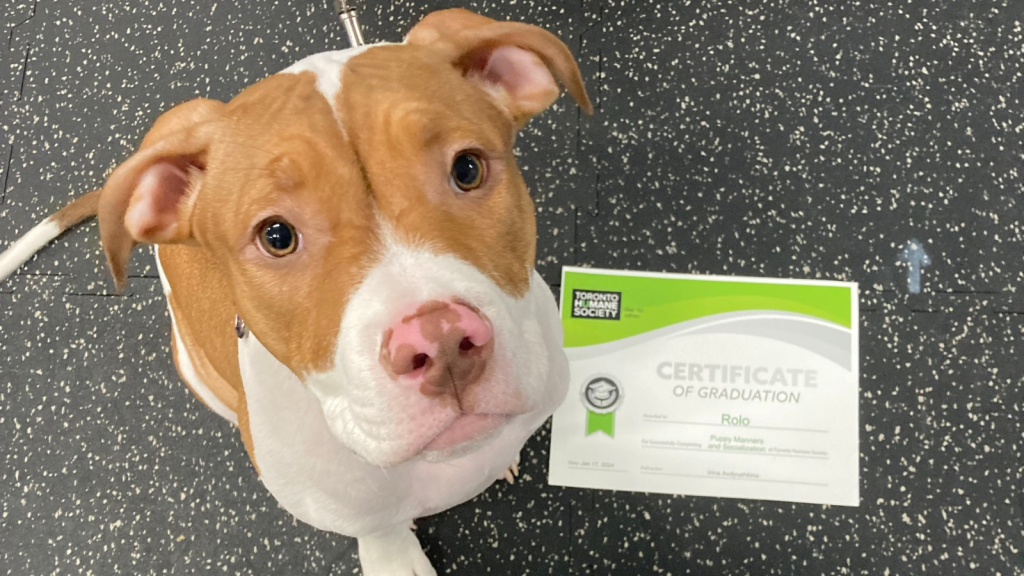
- Participating in pet classes or groups: Obedience schools or agility classes offer structured environments where pets can learn new skills while socializing with their peers, fostering confidence and adaptability.
- Arranging playdates with other pets: Introducing your pet to friendly, well-behaved animals can teach them how to interact safely and appropriately, mitigating potential future issues.
Each positive experience is an opportunity for growth, encouraging adaptability in their new surroundings. Additionally, the benefits of socialization extend beyond the home; they foster harmony in the community as well, creating well-rounded pets that are a pleasure to be around. As responsible pet owners, investing time and effort into the socialization of our adopted pets not only maximizes their well-being but also enriches our own lives, fostering joy and companionship that can last a lifetime.
DIVE DEEPER: Click here to discover the importance of socialization for your pet’s mental health
The Importance of Socialization for Adopted Pets
For adopted pets, socialization is not simply an option—it is an essential component that directly influences their adjustment and emotional well-being in a new home. Proper socialization equips pets with the tools they need to thrive, reducing potential behavioral issues and enhancing their overall quality of life. This proactive approach not only benefits the pets but also their families, fostering a positive and stress-free relationship between them.
Building Confidence
Confidence is a crucial element in a pet’s ability to adapt to their surroundings. Through consistent and thoughtful socialization, adopted pets are exposed to various stimuli, from bustling city streets to calm suburban parks. This exposure plays a vital role in minimizing fear and anxiety. For instance, a dog taken on regular outings to pet-friendly cafes or dog parks will likely learn to navigate these busy environments with ease. By interacting with people of all ages and other dogs through supervised play sessions, the likelihood of nervous barking or defensive aggression decreases significantly. Studies suggest that pets that experience diverse environments and positive interactions are markedly more confident, which not only enhances their behavior but ultimately enriches their daily lives.
Encouraging Positive Interactions
A well-socialized pet is happier, more sociable, and better at communicating their needs. By engaging with a variety of people, pets develop essential social skills that are crucial for harmonious living. This is particularly beneficial during routine activities, such as visits to the veterinarian or family gatherings. Consider the following aspects of socialization that contribute to healthier interactions:
- Encourages Healthy Play: Socialized pets learn the nuances of play, including appropriate boundaries that help prevent aggressive behavior. A dog that has had ample experiences with other dogs will better understand how to interact without escalating to dominance or fear-based aggression.
- Teaches Adaptability: Exposure to different situations fosters adaptability, allowing pets to adjust more readily to changes in their environment. For example, a cat that has been socialized to different sounds and sights may cope better with moving to a new home or encountering a new routine in their daily life.
- Promotes Comfort Around Strangers: Regular engagement with various people helps pets feel secure in social situations. This fosters enjoyment during family gatherings and makes outings to public places less stressful, benefiting both the pets and their owners.
It is important to recognize that socialization is an ongoing process, not a one-off event. Gradual exposure to new experiences allows pets to integrate and learn in a way that can drastically benefit their adjustments. This is especially true for pets with a history of trauma, who may require additional patience and encouragement. Furthermore, studies indicate that socialized pets tend to exhibit significantly lower rates of predatory behavior and anxiety, contributing to a safer and more harmonious home environment.
By grasping the extensive benefits of socialization for adopted pets, prospective pet owners can prepare themselves for a rewarding and enriching experience. Ultimately, fostering a well-socialized pet is not just about enhancing their behavior—it is about creating a lifelong bond grounded in trust, understanding, and happiness.
The Importance of Socialization for Adopted Pets
Effective socialization is crucial for adopted pets, as it significantly impacts their emotional health and behavior. By exposing them to a variety of people, environments, and other animals, we help them develop essential skills that contribute to their overall well-being. This exposure decreases the likelihood of behavioral issues, such as aggression or anxiety, allowing them to thrive in their new homes.A key aspect of socialization during the critical early weeks after adoption includes introducing pets to different sounds, sights, and smells. This helps normalize various experiences that they may encounter throughout their lives. Moreover, such exposure fosters trust and confidence, enabling adopted pets to feel secure in their new surroundings. Furthermore, monitoring the socialization process allows pet owners to tailor experiences based on individual needs and temperaments. For example, shy or fearful pets might benefit from gentle, gradual introductions to new situations, while more outgoing animals may flourish with more vigorous engagement. Thus, this personalized approach not only reduces stress but also promotes a smooth transition into family life.Engaging in socialization activities—such as puppy classes, playdates, and positive reinforcement training—can enhance the bond between pet and owner and enrich the pet’s life. Owners who dedicate time to socializing their adopted pets report seeing improvements in behavior, increased adaptability, and greater happiness overall, leading to a rewarding companionship.
| Benefits of Socialization | Key Features |
|---|---|
| Enhanced Behavior | Reduces anxiety and fearfulness, developing a well-rounded personality. |
| Stronger Bond | Builds trust and understanding between pet and owner, leading to a happy companionship. |
LEARN MORE: Click here to get the complete guide
Enhancing Behavioral Development
Socialization plays a pivotal role not only in establishing a pet’s sociability but also in shaping their overall behavior and emotional maturity. It’s crucial to understand that socialization extends far beyond mere human interaction; it encompasses experiences with a variety of sounds, sights, and smells that pets might encounter in their everyday lives. By integrating their routine with diverse stimuli, adopted pets develop a well-rounded temperament that can significantly contribute to their long-term stability and happiness.
Reducing Fear and Aggression
Fearfulness and aggression are two of the most significant behavioral concerns among pets, particularly those that have faced challenges or trauma in their past. Research indicates that pets lacking proper socialization are more prone to exhibit fearful or aggressive tendencies. For example, a dog that hasn’t been properly introduced to other dogs may react aggressively out of fear during encounters at parks or on walks. Conversely, a dog that has had consistent positive socialization experiences is likely to approach unfamiliar dogs with curiosity and confidence rather than apprehension. Each interaction serves as a learning opportunity—reinforcing desired behaviors while diminishing destructive ones.
Facilitating Training Success
Socialization also lays a strong foundation for training and obedience. An adopted pet that has been exposed to a variety of experiences often finds training more manageable. This is particularly evident in dogs and cats participating in obedience classes or advanced training programs. For instance, a well-socialized dog is more likely to respond to commands in distracting environments, such as a busy park, because they are accustomed to adjusting their focus even amid chaos. Socialization introduces pets to new challenges that compel them to think critically and respond appropriately, fostering an agile mind that is valuable in diverse training situations.
Strengthening the Human-Animal Bond
The bond between pets and their owners is essential for a harmonious relationship. Pets that have undergone socialization often develop a stronger attachment to their families. Remember, when pets experience positive social interactions, they learn to trust not only humans but also their place in a family unit. Through regular experiences together, such as group walks or playdates, pet owners can engage their pets in a way that enriches the relationship. This bond is particularly vital in multi-pet households, where pets must learn to coexist and interact with one another effectively.
The Role of Community and Resources
Community resources, such as local shelters, training classes, and pet clubs, play a significant role in promoting socialization for adopted pets. Many shelters offer programs that help new pet owners learn the principles of socialization right from the start. Engaging with experienced trainers or participating in group classes can provide invaluable guidance on how to introduce pets to other animals and environments effectively. Moreover, community events that showcase various pet activities can create opportunities for socialization that benefit not just the pets but also their owners, encouraging interaction among pet lovers and fostering a sense of belonging.
In summary, socialization serves as a cornerstone for behavioral development in adopted pets. By engaging them in diverse experiences and facilitating positive interactions, pet owners can cultivate a well-adjusted, confident, and happy companion. As we understand the various dimensions of socialization, it becomes clear that this commitment is essential not only for pet well-being but also for enriching the lives of those who bring them into their homes.
DISCOVER MORE: Click here to learn about positive training techniques
Conclusion: The Vital Role of Socialization for Adopted Pets
Understanding the importance of socialization for adopted pets is essential for any pet owner seeking to foster a healthy, balanced, and loving environment for their new companions. As outlined throughout this article, socialization is not merely an ancillary process; it serves as the backbone of behavioral growth, emotional stability, and overall well-being for pets in their formative stages. Interactions with people, other animals, and varied environments promote confidence and awareness, allowing adopted pets to thrive and integrate seamlessly into their new homes and communities.
Moreover, effective socialization has been shown to mitigate issues such as fear and aggression, enabling pets to adapt more readily to everyday situations—a crucial aspect for those transitioning from a shelter to a home environment. Through positive experiences, both owners and their pets can build an unshakeable bond that nurtures trust and understanding.
Lastly, delving into community resources increases the likelihood of successful socialization. By engaging in training classes, joining local pet clubs, or attending community events, pet owners not only enhance their pets’ social skills but also refine their own understanding of animal behavior. As we embrace the responsibility of adopting pets, let us recognize that socialization is a commitment that garners rewards, enriching not just the lives of our pets but our own as well. In this shared journey, let’s work together to ensure that every adopted pet has the opportunity to flourish as a cherished member of the family.