How to deal with separation anxiety in adopted animals
Understanding Separation Anxiety in Adopted Animals
Adopting a pet can bring immense joy, but it can also introduce challenges, particularly when dealing with separation anxiety. Many animals in shelters or rescue situations often have unknown pasts, which can include experiences of abandonment or trauma. These emotional hurdles may lead to distress when they find themselves left alone, making the transition into a new home a complex process.
Recognizing the symptoms of this anxiety is crucial for pet owners. Common signs include:
- Frequent barking or meowing: This vocalization is often a cry for help, as the animal expresses their discomfort when left alone.
- Destructive behavior: Pets may chew on furniture, scratch doors, or dig in attempts to escape or alleviate their anxiety.
- Excessive drooling or pacing: Physical manifestations of anxiety, such as drooling or restless pacing, indicate that the animal is under stress.
- Urinating or defecating in the house: This behavior is not only frustrating for pet owners but is also a sign of an overwhelmed and scared animal.
Understanding these behaviors is the first step toward establishing a supportive environment. While it may seem daunting, there are practical strategies to help alleviate separation anxiety in adopted pets. For example, creating a peaceful space with their favorite toys, bedding, and safe chews can provide a sense of security when left alone.
Gradual desensitization is another effective approach. This technique involves slowly increasing the length of time the pet is left alone, starting with just a few minutes and progressively extending it. To complement this, implementing a consistent routine can make a big difference. Factors like regular feeding times, exercise, and play can give pets a sense of stability, which is especially comforting during times of uncertainty.
Moreover, interactive toys and puzzles provide mental stimulation that can distract a pet from the anxiety of being alone. Many pet owners have reported success using these tools, as they keep their furry companions engaged while the owner is out. Additionally, consider approaching a veterinarian or a professional animal behaviorist for further guidance and tailored solutions.
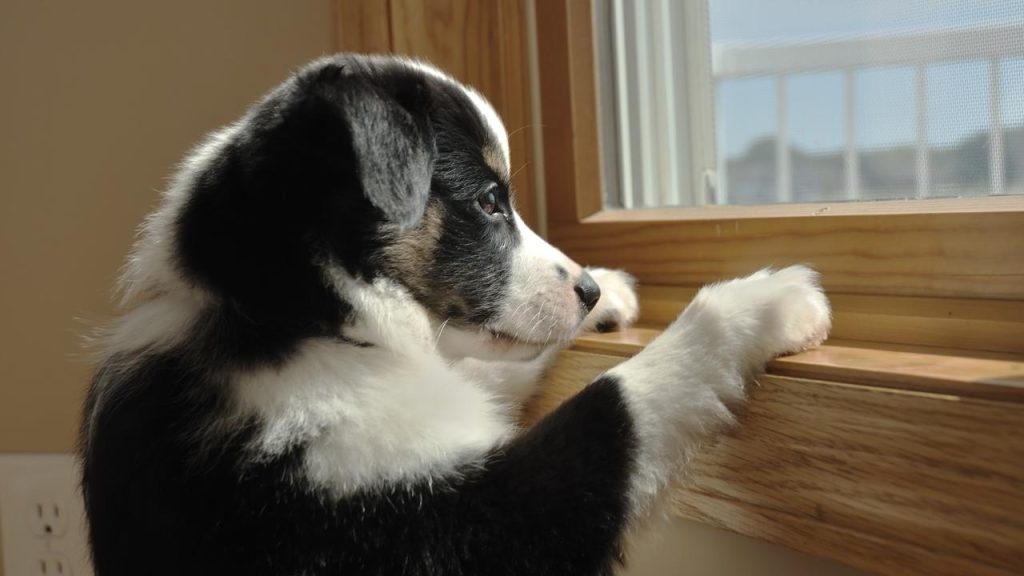
In this exploration of separation anxiety, we aim to highlight effective techniques that help manage stress and promote a sense of security for your new furry friend. Each method not only eases anxiety but also aids in building trust and comfort, ultimately strengthening the bond between you and your adopted pet.
DISCOVER MORE: Click here for essential tips on choosing the perfect pet
Creating a Secure Environment for Your Adopted Pet
Welcoming a new pet into your home is a rewarding experience, but it also comes with the responsibility of ensuring they feel comfortable and secure. This is especially true for pets who may be grappling with separation anxiety, a common condition where animals experience distress when separated from their owners. Establishing a nurturing environment can significantly alleviate their fears and promote a sense of safety.
Providing a comfy, designated area in your home where your pet can retreat is key. This space should be equipped with their favorite blankets, toys, and items with familiar scents such as used clothing. These simple touches can create a cozy sanctuary that mirrors the comforts of a home, reducing anxiety and providing reassurance during stressful moments.
Practical Strategies to Enhance Your Pet’s Comfort
Beyond merely creating a safe space, introducing a series of positive, predictable rituals helps signal to your pet that all is well. Here are several effective strategies that can bolster their sense of security:
- Positive Reinforcement: Whenever you leave or return home, reward your pet’s calm behavior with treats and affection. This technique teaches your pet to associate your absences with positive experiences, alleviating their worries.
- Comfort Objects: Use items that carry your scent, such as an old shirt or small blanket, to provide a sense of familiarity. The soothing effect of your scent can help calm your pet during anxious moments.
- Calm Environment: Consider playing soft, soothing music or leaving a television on at low volume while you’re away. The gentle background noise creates a calming atmosphere that masks any unsettling silence, making your pet feel less alone.
- Gradual Exits: Avoid lengthy goodbyes when you leave. Instead, keep your departures brief and casual. Making them quick and low-key can help prevent anxiety from escalating.
Incorporating these actions into your daily routine enables your pet to feel more secure and reduces the potential for anxiety-driven behaviors. Implementing small changes, like drawing the curtains to limit outside distractions or investing in a cozy dog bed, can also make a substantial difference. The ultimate objective is to develop an environment where your pet consistently feels safe, cherished, and relaxed.
Physical Activity and Mental Stimulation: Key Ingredients
An equally vital element in tackling separation anxiety involves providing your pet with ample physical exercise and mental stimulation. Engaging in a brisk walk or a fun play session before you leave not only helps expend pent-up energy but also creates a more relaxed pet when you’re gone. Additionally, mental exercises—such as puzzle toys that dispense treats or basic training sessions—can keep your pet’s mind occupied and divert their attention from feelings of loneliness and anxiousness.
By concentrating on developing emotional security and integrating regular opportunities for physical and mental enrichment, you can redirect your pet’s energy into more positive activities. This proactive approach not only helps mitigate their anxiety levels but also fosters a deeper and more meaningful bond between you and your newly adopted companion. Remember, a loving and secure environment is the foundation for a happy and well-adjusted pet, paving the way for a harmonious coexistence in your household.
Understanding the Behavioral Signs
When dealing with separation anxiety in adopted animals, it is crucial to recognize the behavioral signs associated with this emotional condition. Animals may display a variety of symptoms such as excessive barking, destructive behavior, or even attempts to escape when left alone. Understanding these signs can help pet owners formulate a strategy to mitigate anxiety. Below is an organized table outlining the advantages of recognizing these behaviors and applying appropriate solutions:
| Category | Details |
|---|---|
| Identification | Recognizing signs such as pacing, whining, or hiding. |
| Strategies for Intervention | Implementing training techniques to remedy symptoms. |
A detailed understanding of these behaviors is essential. It can greatly aid in devising individualized training plans tailored to each animal’s unique needs. Furthermore, creating a safe and comforting environment helps alleviate anxiety and promotes emotional stability in the adopted animal. By engaging in effective training practices, you can strengthen the bond with your pet, helping them feel safe and secure even in your absence. Next, we will delve into practical strategies aimed at easing separation anxiety, ensuring our furry companions receive the support they need to thrive in a loving home.
DIVE DEEPER: Click here to learn more
Understanding Professional Help and Resources
While implementing comforting strategies at home is essential, sometimes the challenges of separation anxiety in adopted pets may require professional intervention. Understanding when to seek help and what resources are available can significantly enhance the wellbeing of both you and your pet.
Identifying When to Seek Professional Help
It’s important to recognize the signs that your pet’s separation anxiety may be more severe than what can be managed with home remedies. If your pet displays extreme behaviors such as persistent barking, destructive chewing, or hiding when you prepare to leave, it may be time to consult with a veterinarian or a pet behaviorist. These professionals can help determine whether the anxiety stems from previous trauma or other underlying issues related to the adoption process.
In some cases, anxiety disorders in pets may require medication to help ease their symptoms. A veterinarian can provide a thorough assessment and suggest appropriate solutions, including anxiety-reducing medications or supplements that can safely complement behavioral modification strategies.
Behavior Modification Techniques by Professionals
Many pet behaviorists specialize in addressing separation anxiety and can offer personalized training plans tailored to your pet’s needs. Techniques such as desensitization and counter-conditioning are commonly utilized. For example, desensitization may involve gradually increasing the time your pet spends alone in small increments. This slow exposure can help your pet acclimate to being alone, reducing panic over time.
Counter-conditioning, on the other hand, aims to alter your pet’s emotional response to being left alone. By pairing your departures with positive associations—like treats or favorite toys—your pet learns to associate your absences with something enjoyable rather than distressing. These structured approaches, guided by a professional, can be more effective than casual attempts at behavioral changes.
Utilizing Technology for Monitoring and Engagement
Technology can also play a role in managing separation anxiety. Many pet owners find success by using smart home devices, such as pet cameras that not only allow you to monitor your pet while you are away but also help facilitate engagement. By talking to your pet through the device or rewarding them with interactive treats remotely, you can offer reassurance and help alleviate their anxiety.
In addition, numerous companies provide subscription services for interactive toys that dispense treats or offer fun challenges to engage your pet. These devices can keep your furry friend busy and distracted while you are away, making the time apart feel less daunting.
Support Groups and Community Resources
Another great resource for addressing separation anxiety is local pet support groups or forums where you can connect with other pet owners facing similar challenges. Sharing experiences and strategies can provide new insights and encourage a sense of community solidarity. Local shelters or humane societies may also offer workshops and training sessions focused specifically on behavior issues like separation anxiety, providing a wealth of knowledge and support.
By leveraging professional help, technology, and community resources, you create a comprehensive approach to managing your pet’s anxiety. Understanding that you are not alone in this journey can relieve some of the burden, and the knowledge of available support can empower you to provide the best care for your newly adopted companion.
DIVE DEEPER: Click here to discover the power of positive reinforcement
Conclusion: A Journey Towards Comfort and Security
Dealing with separation anxiety in adopted animals is a multifaceted process that requires patience, understanding, and proactivity. As conscientious pet owners, recognizing the signs of this anxiety is the first step in fostering a supportive environment for your furry companions. Through gradually acclimatizing them to your absences, employing behavioral techniques, and reinforcing positive associations, you can help alleviate their distress.
It is crucial to remember that each pet’s journey is unique, stemming from their individual histories and personalities. When home remedies fall short, seeking out professional help from veterinarians or certified behaviorists can be pivotal in creating tailored strategies for your pet’s specific needs. Utilizing innovative technology and engaging community resources serve as valuable supplements to your efforts, providing monitoring solutions and fostering a network of support.
As you navigate this journey, stay informed and open to new methods. Your commitment to understanding and addressing your adopted pet’s anxiety not only enhances their well-being but also strengthens the bond you share. With time, effort, and the right tools, you can turn separation anxiety into a manageable aspect of your pet’s life, making your home a place of comfort, security, and love for your newly adopted friend. Remember, fostering trust and companionship with your pet while working through their anxiety can lead to a fulfilling and harmonious life together.